GUİDE TO PROTECTİNG YOUR CRYPTO ASSETS: BEWARE OF THESE 7 SCAMS!

Guide to Protecting Your Crypto Assets: Beware of These 7 Scams!

A crypto scam is any trick aimed at stealing people's crypto or money. Below you will find why scams are so common, the most common types, golden rules to avoid them, what information scammers want (never share it), how to store crypto safely (cold wallet), and what to do if you are scammed. None of this is investment advice; the goal is to protect you.

What Are Crypto Scams and Why So Common?

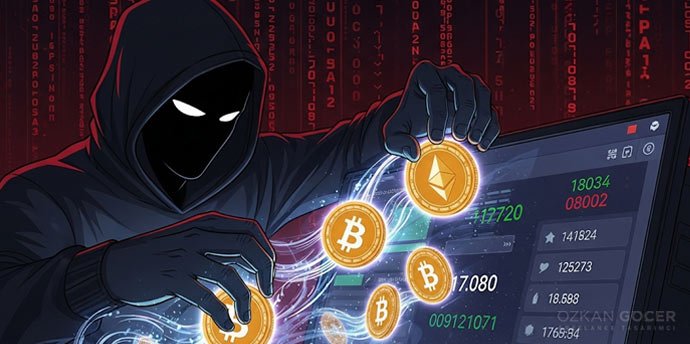
A crypto scam is any trick or deception aimed at stealing people's cryptocurrency or money; it includes fake investment platforms, fake exchanges, phishing, romance scams, fake "winning" tips, and more. The bad news is that the space is heavily targeted by scammers.

Why are they so common? First, irreversibility: crypto transactions are permanent and cannot be reversed, and there is no "cancel transaction" mechanism like a bank, which makes them attractive to scammers. Second, anonymity: scammers often operate from abroad and are hard to trace. Third, lack of regulation and awareness: the space is new and complex, so many people do not know how to protect themselves.

Fourth, get-rich-quick promises: the perception of "easy money with crypto" makes people easier to fool, and greed and fear of missing out (FOMO) are scammers' strongest weapons. Fifth, technical complexity: users who do not fully understand wallets, seed phrases, and exchanges are more vulnerable. The good news is that most scams can be prevented with the right knowledge and healthy skepticism; the thing I stress most is to approach every offer without rushing, by pausing and verifying first.

Common Crypto Scam Types

Knowing them is half the protection. The most common crypto scams include:

  • Fake investment platforms and fake exchanges: sites and apps that look real but exist to steal money; they promise high returns, show fake "profits" on screen, then block your withdrawals.
  • Romance or "pig butchering": building trust on dating apps or social media, then steering you to a fake platform to "invest together," slowly fattening the victim into a big loss.
  • Phishing: stealing your login details or wallet recovery phrase (seed phrase) via fake emails, sites, or apps.
  • Fake giveaways and the "double your crypto" trap: "send X crypto, get double back," often impersonating a celebrity or company.
  • Rug pulls, fake celebrity ads, and Ponzi schemes: projects that disappear after collecting money, ads using a celebrity's image without permission, and "guaranteed return" schemes that eventually collapse.

Another common trap is fake "support" and "fund recovery," which re-victimizes already-scammed people with "I'll get your money back." The common thread is that all of them involve pressure to act, high or guaranteed return promises, and trust manipulation. I explained how to separate real from fake in my spotting fake crypto exchanges article; never trust "tips," links, or "guaranteed profit" offers from someone you do not know. You can also study current scam types in security sources.

Golden Rules to Avoid Scams (Red Flags)

The core rules to protect yourself are really a list of red flags. "Guaranteed or high returns" is a direct trap; no real investment promises guaranteed or fast riches, so when you hear "X% daily" or "double your money," raise the alarm. Resist being rushed, because pressure and urgency ("the opportunity is slipping," "last few hours") are a scammer's biggest weapon, so always pause and research. Do not trust "tips" or links from people you do not know, because investment offers from social media, WhatsApp, Telegram, or dating apps are the most common scam sources.

Verify the exchange and use only reputable, regulated platforms accessed via official addresses, and download apps only from official stores or sites. In the US, you can check registration and warnings through the SEC's Investor.gov and your state regulators. Never share your seed phrase, private key, or passwords, use 2FA, do not fall for fake celebrity or giveaway ads, and when in doubt, slow down and consult someone you trust or an expert. Such rules act as a defense shield; applying even one blocks most scams, because crypto is already volatile and risky, and the best protection is not rushing, verifying, and staying skeptical.

What Scammers Want, and How to Spot One

Scammers seek specific information to access your crypto, and never sharing it is vital. At the top is the seed phrase (recovery phrase), your wallet's 12 or 24-word master key; anyone who has it accesses all your funds. Never share it with anyone (including fake "support," "exchange staff," or "recovery experts"), never enter it on a site, and never photograph it. The private key also grants wallet access and is never shared; your account password and the one-time 2FA codes sent to your phone are never given out either, because legitimate entities do not ask for codes by phone or message.

Be careful with personal and ID information and screen sharing, and never let anyone remotely access your device "for support." The golden rule is clear: no legitimate exchange, wallet, or institution will ever ask for your seed phrase, private key, or one-time code, and anyone who does is 100% a scammer.

How can you tell if someone is a scammer? Watch for these red flags: they promise guaranteed or high returns; they pressure you to act fast; they reached out first (unsolicited, often via social media or dating apps) with an investment "opportunity"; they ask for your seed phrase, keys, codes, or remote access; they ask for an upfront payment or fee to "unlock," "verify," or "recover" funds; they impersonate a known company, celebrity, or official; their story has inconsistencies and they avoid video calls; or the deal sounds "too good to be true." If you notice these signs, stop contact immediately, because skepticism is your best defense.

How to Store Crypto Safely (Cold Wallet)

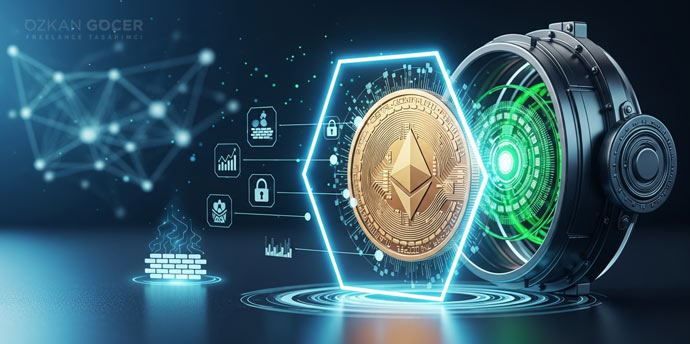
Storing your crypto safely protects against scams and theft. Keeping it on an exchange is easy, but you are at risk if the exchange is hacked or has problems; the phrase "not your keys, not your coins" refers to this. Holding large amounts long-term on an exchange is not ideal, although it is practical for active trading, so use only reputable, regulated exchanges and enable 2FA. A hot wallet is an internet-connected wallet; it is convenient but more exposed to attacks because it is online, while a cold wallet is storage not connected to the internet and is the safest.

The most common cold wallet is a hardware wallet (a physical device); it keeps your private keys offline, making it far more resistant to online attacks, and is strongly recommended for large amounts. Keep your seed phrase offline, physical, and secure (paper or metal), do not store it digitally, in the cloud, or as a photo, and never share it; keep multiple backups against fire or loss, buy a hardware wallet only from the official manufacturer or seller and unopened, and download wallet apps only from official sources.

I compared cold wallet options in my best cold wallets article. In short, keep small and active amounts on a reputable exchange or hot wallet and large, long-term holdings in a cold wallet; whatever your method, real security comes from protecting your seed phrase.

What to Do If You're Scammed (and How to Report It)

If you realize you have been scammed, stay calm and act fast. Stop immediately and do not send any more money; do not fall for anyone asking for "one last payment for recovery or withdrawal," because it is a separate trap. Secure your accounts, since your information may be compromised; change passwords and enable 2FA, and if your seed phrase was exposed, immediately move any remaining funds to a brand-new wallet with a new seed.

Preserve evidence and do not delete messages, transaction receipts, wallet and transaction addresses (transaction hashes), or screenshots of the site or app. If money went via bank or card, call your bank immediately, because in some cases the transaction can be stopped or traced.

For reporting in the US, file a complaint with the FBI's Internet Crime Complaint Center (IC3) and the FTC at reportfraud.ftc.gov, and investment-fraud aspects can also be reported to the SEC and the CFTC; outside the US, report to your country's authorities, and consult an attorney for your rights. Beware the "fund recovery" trap, because people claiming "I'll recover your stolen crypto, just pay this fee" are almost all scammers who will victimize you again.

For a stolen wallet, I gathered the steps in my MetaMask wallet stolen guide, and you can find the broader attack-and-report framework in my cybersecurity article. The hard truth is that because crypto transactions are irreversible, recovering funds is often very difficult, but early reporting and preserving evidence improve the odds. Do not feel ashamed, because these crimes are professionally engineered, and the criminal is the scammer, not you. None of this is legal or financial advice; check official sources for current procedures.

Protection Checklist

Keep this checklist in mind to protect yourself:

  • Never believe "guaranteed or high return" promises; it is the biggest red flag.
  • Resist being rushed and always pause and research; do not trust investment "tips" or links from people you do not know.
  • Use only reputable, regulated exchanges and official addresses and apps.
  • Never share your seed phrase, private key, passwords, or 2FA codes; no legitimate entity asks for them.
  • Store large holdings in a cold (hardware) wallet, keep your seed phrase offline and secure, enable 2FA, and download apps only from official sources.
  • Do not fall for fake celebrity ads, "double your crypto" giveaways, or Ponzi schemes; if scammed, do not fall for the "fund recovery" trap, and document everything and report to authorities.

Most importantly, crypto is extremely risky, so only use money you can afford to lose, fully understand the risks, and treat every "too good to be true" offer with skepticism. I also gathered crypto asset security step by step in my crypto asset security guide. Skepticism is your most valuable security tool in the crypto world, because the right knowledge and a calm head block most scams from the start. None of this is investment advice.

FAQ

Frequently Asked Questions

Quick answers for readers who skipped to the end.

What are crypto scams, and why are they so common?
A crypto scam is any trick/deception aimed at stealing people's cryptocurrency or money. It includes fake investment platforms, fake exchanges, phishing, romance scams, fake "winning" tips, and more. Why are they so common? (1) IRREVERSIBILITY, crypto transactions are permanent and cannot be reversed; there is no "cancel transaction" mechanism like a bank, which makes them attractive to scammers. (2) ANONYMITY, scammers often operate from abroad and are hard to trace. (3) LACK OF REGULATION/awareness, the space is new and complex, so many people do not know how to protect themselves. (4) GET-RICH-QUICK promises, the perception of "easy money with crypto" makes people easier to fool; greed and fear of missing out (FOMO) are scammers' strongest weapons. (5) TECHNICAL complexity, users who do not fully understand wallets, seed phrases, and exchanges are more vulnerable. The result: crypto is both a volatile, risky space and a field where scams are rampant. IMPORTANT: this content is NOT investment advice; its goal is to protect you from scams. The good news: most scams can be PREVENTED with the right knowledge and healthy skepticism. This is for information and protection purposes.
What are the most common crypto scam types?
Knowing them is half the protection. The most common crypto scams: (1) FAKE INVESTMENT PLATFORMS / FAKE EXCHANGES, sites/apps that look real but exist to steal money; they promise high returns, show fake "profits" on screen, then block your withdrawals. (2) ROMANCE / "PIG BUTCHERING," building trust/a relationship on dating apps or social media, then steering you to a fake platform to "invest together," slowly "fattening" the victim into a big loss. (3) PHISHING, stealing your login details or WALLET RECOVERY PHRASE (seed phrase) via fake emails/sites/apps. (4) FAKE GIVEAWAY / "double your crypto," "send X crypto, get double back" (often impersonating a celebrity/company). (5) RUG PULL, launching a fake project/coin, then disappearing after collecting money. (6) FAKE CELEBRITY ADS, fake investment ads using a well-known person's name/image without permission. (7) PONZI / "guaranteed returns" schemes, paying earlier investors with newcomers' money until they collapse. (8) FAKE "SUPPORT" / "fund recovery," re-victimizing already-scammed people with "I'll get your money back." (9) FAKE APPS/wallets and fake mining. The common thread: all involve PRESSURE to act, HIGH/GUARANTEED return promises, and TRUST manipulation. Never trust "tips," links, or "guaranteed profit" offers from someone you do not know. This is for protection purposes.
What are the golden rules to avoid crypto scams?
The core rules to protect yourself (red flags): (1) "GUARANTEED / HIGH RETURNS" = A TRAP, no real investment promises guaranteed or fast riches; when you hear "X% daily" or "double your money," raise the alarm. This is the #1 red flag. (2) RESIST BEING RUSHED, pressure and urgency ("the opportunity is slipping," "last X hours") are a scammer's biggest weapon; always pause and research. (3) DO NOT TRUST "TIPS"/LINKS from people you do not know, investment offers from social media, WhatsApp/Telegram, or dating apps are the most common scam sources. (4) VERIFY THE EXCHANGE, use only reputable, regulated platforms accessed via official addresses; download apps only from official stores/sites. (5) NEVER SHARE your SEED PHRASE (recovery phrase), private key, passwords, or 2FA codes with anyone, no legitimate entity asks for these. (6) USE 2FA and harden your account security. (7) DO NOT FALL FOR fake celebrity/giveaway ads, celebrities will not send you crypto. (8) IF IN DOUBT, SLOW DOWN and consult someone you trust/an expert. (9) Treat every "too good to be true" offer with skepticism. These rules are a "defense shield"; applying even one blocks most scams. Remember: crypto is already volatile and risky, with scam risk on top; the best protection is not rushing, verifying, and staying skeptical. This is not investment advice; it is for protection purposes.
What information do scammers want, and how can I tell if someone is a scammer?
WHAT THEY WANT (never share these): scammers seek critical information to access your crypto: (1) SEED PHRASE (RECOVERY PHRASE), your wallet's 12/24-word master key; anyone who has it accesses ALL your funds. NEVER share it with anyone (including fake "support," "exchange staff," or "recovery experts"), enter it on a site, or photograph it. (2) PRIVATE KEY, also grants wallet access; never share. (3) PASSWORDS and 2FA CODES, never give these out (legitimate entities do not ask for codes by phone/message). (4) PERSONAL/ID info and screen sharing, used for identity theft/takeover. (5) REMOTE ACCESS, never let anyone remotely access your device "for support." GOLDEN RULE: no legitimate exchange, wallet, or institution will EVER ask for your seed phrase, private key, or one-time code, anyone who does is 100% a scammer. HOW TO TELL IF SOMEONE IS A SCAMMER, red flags: (1) they promise guaranteed/high returns; (2) they pressure you to act fast; (3) they reached out first (unsolicited, often via social media/dating apps) with an investment "opportunity"; (4) they ask for your seed phrase, keys, codes, or remote access; (5) they ask for an upfront payment/fee to "unlock," "verify," or "recover" funds; (6) they impersonate a known company/celebrity/official; (7) their story has inconsistencies and they avoid video calls; (8) the deal sounds "too good to be true." If you see these signs, stop contact immediately. Skepticism is your best defense. This is for protection purposes.
How do I store my crypto safely?
Storing your crypto safely protects against scams and theft. Key concepts: (1) ON AN EXCHANGE, easy, but you are at risk if the exchange is hacked or has problems ("not your keys, not your coins" refers to this). Practical for active trading, but holding large amounts long-term on an exchange is not ideal. Use only reputable, regulated exchanges and enable 2FA. (2) HOT WALLET, internet-connected wallets (e.g., phone/browser wallets); convenient but more exposed to attacks because they are online. (3) COLD WALLET, storage NOT connected to the internet; the safest. The most common is a HARDWARE WALLET (a physical device): it keeps your private keys offline, making it far more resistant to online attacks. For large amounts, a cold wallet is strongly recommended. SAFE-STORAGE RULES: (1) Keep your SEED PHRASE offline, physical, and secure (paper/metal); do NOT store it digitally/in the cloud/as a photo, and never share it. (2) Keep multiple backups (against fire/loss). (3) Buy a hardware wallet only from the official manufacturer/seller, unopened/untampered. (4) Use 2FA and strong passwords. (5) Beware of fake wallet apps (download only from official sources). In short: keep small/active amounts on a reputable exchange or hot wallet; keep large/long-term holdings in a cold (hardware) wallet. Whatever your method, real security comes from protecting your seed phrase. This is not investment advice; it is for protection purposes.
I have been scammed in crypto, what should I do, and how do I report it?
If you realize you have been scammed, stay calm and act fast: (1) STOP IMMEDIATELY, do not send any more money; DO NOT fall for anyone asking for "one last payment for recovery/withdrawal" (that is a separate trap). (2) SECURE YOUR ACCOUNTS, your info may be compromised; change passwords, enable 2FA; if your seed phrase was exposed, IMMEDIATELY move any remaining funds to a brand-new wallet with a new seed. (3) PRESERVE EVIDENCE, messages, transaction receipts, wallet/transaction addresses (transaction hashes), screenshots of the site/app. Do not delete them. (4) NOTIFY YOUR BANK, if money went via bank/card, call your bank immediately; in some cases the transaction can be stopped/traced. (5) REPORT TO AUTHORITIES (US), file with the FBI's Internet Crime Complaint Center (IC3, at ic3.gov) and the FTC (reportfraud.ftc.gov); investment-fraud aspects can also be reported to the SEC and the CFTC. If outside the US, report to your country's authorities. (6) CONSULT AN ATTORNEY for your rights and options. (7) BEWARE THE "FUND RECOVERY" TRAP, people claiming "I'll recover your stolen crypto, just pay this fee" are almost all scammers who will victimize you again; never fall for it. HARD TRUTH: because crypto transactions are irreversible, recovering funds is often very difficult; but early reporting and preserving evidence improve the odds and help protect others. Do not feel ashamed, these crimes are professionally engineered and happen to many people; the criminal is the scammer, not you. This is not legal/financial advice; check official sources for current procedures.
What is a quick protection checklist to avoid crypto scams?
Keep this checklist in mind to protect yourself: (1) NEVER believe "guaranteed/high return" promises, the biggest red flag. (2) RESIST being rushed; always pause and research. (3) Do not trust investment "tips"/links from people you do not know (offers via social media/messaging are riskiest). (4) Use only reputable, regulated exchanges and official addresses/apps. (5) NEVER share your SEED PHRASE, private key, passwords, or 2FA codes, no legitimate entity asks for them. (6) Store large holdings in a COLD (hardware) WALLET; keep your seed phrase offline and secure. (7) Enable 2FA, download apps only from official sources, and keep your device updated/clean. (8) Do not fall for fake celebrity ads, "double your crypto" giveaways, or Ponzi/guaranteed-return schemes. (9) When in doubt, consult someone you trust/an expert and SLOW DOWN. (10) If scammed, do not fall for the "fund recovery" trap; document everything and report to authorities. MOST IMPORTANTLY: crypto is extremely risky; only use money you can afford to lose, fully understand the risks, and treat every "too good to be true" offer with skepticism. This checklist protects both beginners and experienced users. Skepticism is your most valuable security tool in the crypto world. This is not investment advice; it is for protection purposes.
Summarize:
Özkan Göçer profile photo

Özkan Göçer

Growth Engineer & Digital Marketing Specialist

Özkan Göçer is a Growth Engineer and Digital Marketing Specialist with over 15 years of field experience and 200+ completed projects. He infuses this analysis with over 7 years of expertise in blockchain, crypto markets, and Web3 marketing.


Scroll to top