HOW TO BECOME AN INFLUENCER: A STEP-BY-STEP 2026 GUİDE

How to Become an Influencer: A Step-by-Step 2026 Guide

Becoming a successful influencer requires you to define a highly specific niche, consistently produce high-value content, and build genuine community engagement across your chosen platforms. I have seen that long-term monetization depends entirely on your audience's trust rather than vanity metrics, meaning your actual success varies based on your relationship with your followers. You will learn how to optimize your social media profiles, pitch to brands for paid sponsorships, and scale your personal brand using modern AI-assisted creation tools.

What Is an Influencer and What Do They Do?

An influencer is an individual who leverages digital platforms to build a dedicated audience and affect purchasing decisions within a specific niche. They create content, share expertise, and establish trust with followers who view them as peers rather than traditional corporate advertisers. Businesses partner with these creators to reach targeted demographics directly. In my own practice managing digital campaigns, I analyze how creators align with a business's core values before initiating any partnership.

You must find creators whose audience demographics match your buyer personas exactly. A mismatch here wastes your entire marketing budget and damages brand reputation. Alignment determines the ultimate success of your outreach.

Daily operations for these creators extend far beyond posting photos on social media. They script videos, edit high-resolution media, analyze engagement metrics, and negotiate contracts with brand partners. Their take on a product or service can shift public perception overnight. According to data from HubSpot, influencer marketing continues to yield high returns for companies that prioritize authenticity over highly polished production.

Creators build this authenticity by maintaining a consistent voice and choosing partnerships that feel natural to their audience. They manage community interactions daily, answering comments and hosting live sessions to keep engagement rates high. Constant interaction builds a level of trust that traditional banner ads cannot replicate.

Monetization models vary based on audience size and platform dynamics. Nano-influencers with fewer than 10,000 followers often work for free product exchanges, while mega-influencers command thousands of dollars per single post. Typical collaborations include sponsored content, affiliate marketing links, and co-branded product lines. Success in this space requires a clear contract outlining deliverables, usage rights, and tracking parameters.

Relying solely on follower counts is a common mistake. Engagement rates, audience sentiment, and past conversion data provide a much clearer picture of potential return on investment. Brands must track these metrics using UTM parameters and custom discount codes to measure actual sales.

Influencer Levels: How Many Followers Do You Need?

Nano (1K-10K)

Nano-influencers operate in tight-knit niches with audiences ranging from 1,000 to 10,000 followers. Nano-influencers often deliver stronger engagement than far larger accounts, which is why I lean on them for niche campaigns. They talk back. They maintain direct relationships with their audience by answering almost every comment and direct message. Active communication builds a loyal community.

A small brand can leverage high trust for hyper-local campaigns or specific product launches. Working with five nano-influencers simultaneously often costs less than a single post from a larger creator. It lowers your financial risk. You gain access to dedicated pockets of consumers who value peer recommendations over polished advertisements.

Micro (10K-100K)

Micro-influencers possess 10,000 to 100,000 followers and offer a balanced mix of reach and targeted interest. They have established expertise in specific verticals like software, fitness, or beauty. In the projects I have managed, micro-influencers provided the best return on ad spend for mid-market companies. Their content feels authentic while maintaining professional production quality.

Marketing platforms like Mailchimp frequently utilize this tier to demonstrate software features through real-world use cases. Your brand can take advantage of their structured content formats, such as video tutorials or multi-slide carousels, to explain complex value propositions. Partnerships at this level scale easily across multiple platforms.

Macro and Mega (100K+)

Macro-influencers and mega-influencers command audiences starting at 100,000 and scaling into millions of followers. Creators at this scale function similarly to traditional media outlets, offering massive visibility but lower overall engagement rates, which typically hover around 1% to 2%. Reach replaces intimacy.

Securing a partnership at this level requires substantial budget allocation, often starting at several thousand dollars per post. Companies utilize these accounts primarily for top-of-funnel awareness campaigns where broad exposure outweighs niche community trust. You trade high engagement for rapid market penetration.

How to Become an Influencer, Step by Step

Choose a Niche and Personal Brand

Selecting a narrow focus prevents your message from getting lost in a crowded digital landscape. You must identify a specific subject where your expertise intersects with audience demand. In my own practice, I have seen creators fail because they tried to appeal to everyone; narrowing your scope to a micro-niche builds authority faster.

Define your personal brand by establishing a clear visual identity and tone of voice. Audiences connect with distinct perspectives.

Pick a Platform

Different demographics gather on different networks. Data from Statista indicates that platform demographics dictate content format success, with younger audiences heavily favoring short-form video. Choose one primary channel to master before expanding.

Your choice depends on your content medium. Written experts find their audience on LinkedIn, while visual creators take to YouTube or Instagram to showcase their work.

Optimize Your Profile

Your profile acts as a digital landing page. Use a high-resolution headshot, write a bio that states exactly what value you provide, and include a link to your portfolio. Search engines index social profiles; include relevant keywords in your bio to increase discoverability.

Create Consistent Quality Content

Algorithms reward regular uploads. Establish a content calendar that you can realistically maintain over months. High-quality production does not require expensive gear; clear audio and strong lighting matter more than a cinema camera.

Focus on educational, entertaining, or inspirational value. Every post must answer why a viewer should spend their time reading your work.

Engage and Build Community

Social media is a two-way communication channel. Reply to every comment on your early posts to foster loyalty and signal engagement to platform algorithms. In the projects I have managed, community interaction consistently outpaced raw reach in driving long-term retention.

Host live sessions and participate in discussions on other creators' profiles to build organic relationships.

Grow and Reach Out to Brands

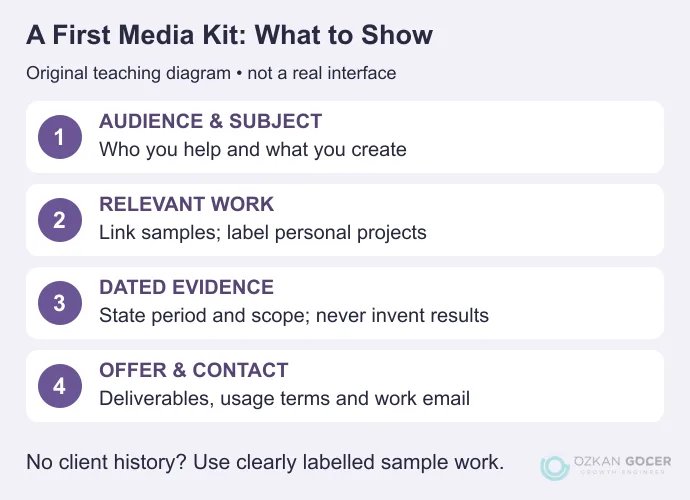
Monetization requires proactive outreach. Compile a media kit showing your audience demographics, engagement rates, and past work samples. Reach out to brands that align with your niche, offering specific campaign ideas instead of generic requests.

Start with smaller local businesses to build a portfolio. Brand partnerships take time to secure, but a professional pitch backed by clean data increases your success rate.

Choosing Your Niche and Building a Personal Brand

Selecting a market segment requires analyzing search volume, competitor domain authority, and monetization potential. In my own practice, I start by evaluating keyword difficulty metrics using tools like Moz to identify gaps where high-intent search queries face weak content. You must look for sub-industries with clear commercial intent rather than broad topics. Broad topics dilute your authority and drain your budget.

Focusing on a specific micro-niche, such as local search engine optimization (SEO) for medical clinics or technical auditing for subscription software platforms, positions you as the immediate solution. Narrow positioning reduces client acquisition costs. You will find that ranking for fifty high-intent long-tail keywords yields better conversion rates than ranking for one highly competitive generic term.

Building a personal brand requires consistent, data-backed content distribution across channels where your target audience actively congregates. Publish case studies detailing your actual processes, failures, and recovery steps. Audiences value transparency over polished sales pitches. To build authority, take your raw project data, strip the sensitive client information, and turn it into actionable step-by-step guides.

Publishing raw, anonymized project data establishes credibility far faster than sharing generic industry news. Your brand grows when peers bookmark your content for daily use. Focus on distribution channels like LinkedIn, specialized newsletters, or developer forums where decision-makers actively seek technical solutions.

Monetizing your expertise involves transitioning from free content to paid consulting or productized services. Expect a minimum of six to twelve months of consistent publishing before seeing significant inbound lead generation. Organic growth takes time; shortcuts do not exist when building trust in competitive spaces. You should establish a clear pricing model early, whether it is a flat $150 hourly consulting fee or a $2,000 monthly retainer for specific deliverables.

Clear pricing filters out low-quality leads and sets professional boundaries. Track your acquisition channels using tracking parameters to understand exactly where your high-value clients originate. Refine your messaging based on performance data to maximize your return on investment. Consistent tracking ensures you invest resources only into channels that generate actual revenue.

How Do Influencers Make Money?

Brand Deals and Sponsorships

Direct partnerships represent the primary income source for most content creators. A brand pays an influencer to feature a product or service in a video, photo, or blog post. Rates vary wildly based on engagement metrics rather than simple follower counts. In the projects I have managed, micro-influencers with highly active niche audiences often deliver better conversion rates than macro-creators with millions of passive followers.

Negotiations usually center on deliverables, usage rights, and exclusivity windows. Creators must disclose paid partnerships clearly to comply with Federal Trade Commission (FTC) guidelines.

Affiliate Marketing

Affiliate setups allow creators to earn a commission on sales generated through custom tracking links or discount codes. You recommend a product, share your link, and receive a percentage of the purchase price. Commission-based setups shift the financial risk from the advertiser to the creator.

Success relies on alignment between your content and the product. Audiences quickly spot insincere recommendations, which destroys trust. I often advise setting up a dedicated resource page on your website to consolidate the links, making it easier for followers to find your recommended tools.

Selling Your Own Products

Launching proprietary products shifts you from a promoter to a business owner. Creators sell physical merchandise like apparel, digital assets like templates, or educational courses. Selling directly offers the highest profit margins because you control the pricing and supply chain.

Building a product requires upfront capital and logistics management. You must handle customer service, shipping, and payment processing. Creators who take that route successfully often transition their personal brand into a standalone enterprise.

Platform Revenue Programs

Social media networks pay creators directly through built-in monetization systems. YouTube shares ad revenue through its partner program, while platforms like TikTok and Instagram offer creator funds or virtual gifting systems. Platform payouts fluctuate based on geographic viewer location, content category, and seasonal advertiser demand.

Relying solely on platform payouts is risky. Algorithm updates can slash your views overnight, directly impacting your earnings. Diversifying your income streams prevents a single platform change from wiping out your business.

How Much Do Influencers Earn?

Followers Needed to Make $1,000/Month

Hitting the $1,000 monthly threshold depends heavily on your niche, engagement rate, and monetization channels. In the projects I have managed, micro-influencers with highly active audiences often reach this target faster than accounts with massive but passive follower counts. You do not need a million followers to secure steady revenue. A dedicated community of 10,000 to 20,000 followers on Instagram or TikTok can generate $1,000 monthly if you secure two or three sponsored posts.

Monetization strategies dictate the exact math. Creators focusing on affiliate marketing might need 50,000 followers to generate enough clicks, while those selling digital products or direct consulting can hit the target with fewer than 5,000 followers. You must find the specific monetization mix that fits your audience demographics. A single long-term partnership with a relevant brand can easily cover this entire baseline, bypassing the need for high-volume ad revenue.

Earnings by Follower Level

Influencer earnings scale across distinct tiers, though actual payouts vary based on negotiation skills and platform algorithms. Brands categorize creators to budget their campaigns, using industry-standard brackets to calculate baseline rates per post. Industry data shows that platform choice also dictates pricing; video-centric platforms like YouTube command higher rates than static image feeds.

Follower Tier Follower Count Average Est. Pay per Post
Nano 1,000 - 10,000 $10 - $100
Micro 10,000 - 50,000 $100 - $500
Mid-tier 50,000 - 500,000 $500 - $5,000
Macro 500,000 - 1,000,000 $5,000 - $10,000
Mega 1,000,000+ $10,000+

Nano-influencers leverage high engagement rates to secure free products or modest cash payments. Micro-influencers command stable fees because they offer targeted access to niche demographics. Mid-tier and macro creators often transition to multi-platform deals, where a single campaign might take weeks of production but yields thousands of dollars. Mega-influencers operate like traditional media outlets, charging premium rates that include usage rights and exclusivity clauses. Success at any level requires consistent audience trust rather than inflated metrics.

How to Start With No Followers or No Money

Launching a digital presence with zero capital and zero audience requires trading money for sweat equity. You must leverage platforms with algorithmic distribution systems that do not rely on your existing follower count. TikTok, YouTube Shorts, and Reddit allow high-quality content to reach thousands of users overnight without a single dollar spent. In my own practice, I build initial traction by identifying low-competition search queries on Google and creating highly targeted resources.

You do not need an established brand to rank for long-tail keywords. You need precise answers to specific user problems. Adopting this method bypasses the need for an advertising budget entirely. It allows you to build authority from scratch before you ever ask for a sale.

Success at this stage depends on your ability to find underserved audience pockets. Use free tools like Google Trends, AnswerThePublic, and platform search bars to identify what people ask daily. Once you find these gaps, take immediate action by producing raw, high-utility content rather than waiting for high-end production equipment. Smartphone cameras and free editing software like CapCut are sufficient.

Focus on solving one micro-problem per video or post. Consistency beats production quality every time in the early phases of growth. Audiences value raw authenticity over polished corporate presentations. You can easily publish three short-form videos daily using only your phone, capturing attention without spending a dime.

Monetizing a small audience requires direct promotion of affiliate products or services that offer high commission rates. Instead of aiming for broad appeal, position yourself as a specialized guide. Direct your limited traffic to a free newsletter landing page using tools like MailerLite or Substack. Building an email list secures your audience ownership, protecting you from sudden algorithm shifts.

Email remains the highest-converting channel in digital marketing. Cultivating a list of one hundred highly engaged subscribers yields better financial results than ten thousand disengaged social media followers. Focus on helping your first ten users solve their problems. Organic word-of-mouth will begin to drive your growth. Patience is required, but building this way establishes a resilient foundation.

How to Get Brand Deals

In my own practice advising creators on monetization, I have seen that marketing managers look past raw follower counts to analyze audience alignment and engagement depth. You must build a media kit that displays your audience demographics, monthly reach, and previous campaign conversion rates. Do not wait for companies to discover your profile. Use platforms like Aspire, Grin, or Shopify Collabs to find active campaigns matching your niche.

Direct outreach remains the most reliable path to secure your first partnership. Identify companies currently running paid ads in your space, locate the marketing manager on LinkedIn, and pitch a specific content concept rather than a generic collaboration request. A personalized pitch addressing a brand's current marketing goals increases response rates significantly.

Negotiation requires clear pricing structures based on tangible deliverables. Take your production costs, estimate the hours required for scripting, filming, and editing, and add a distribution fee based on your average views. I recommend offering tiered packages: a single video post, a multi-platform bundle, or a long-term retainer. Retainers provide predictable cash flow and allow you to test different creative angles for the partner.

Always secure a signed contract before starting production. The agreement must specify usage rights, payment terms, and the exact timeline for drafts and final publishing to prevent scope creep. Charging a 50% upfront deposit protects your cash flow during production.

Post-campaign reporting separates professional creators from amateurs. Send a PDF report to the brand partner seven days after your content goes live, detailing impressions, click-through rates, and audience sentiment. Sharing transparent metrics builds trust and often leads to contract renewals. Brands value reliable partners who treat content creation as a business transaction. Focus on delivering measurable value, and your portfolio of successful case studies will naturally attract larger budgets over time.

If a campaign performs exceptionally well, suggest whitelisting, which allows the company to run paid ads through your social handle for an additional licensing fee. Keep your communication professional, meet every deadline, and treat every small deal as a stepping stone to five-figure contracts.

Platform Tips (Instagram, TikTok) and Common Mistakes

Success on Instagram and TikTok requires distinct formatting and algorithmic understanding, yet many businesses copy-paste identical files across both. Instagram relies heavily on established relationships, direct messages, and search optimization; TikTok prioritizes raw watch time and immediate hook strength. In my own practice, I have observed that accounts treating TikTok as a search engine find faster organic reach than those relying solely on hashtags.

You must optimize your video captions with spoken keywords, as both platforms now index audio transcripts to categorize content. Keep your video intros under 1.5 seconds. A common mistake is adding a slow, animated logo intro; viewers swipe away before your actual message begins. Frame your videos in 9:16 aspect ratio and keep critical text elements away from the screen edges where platform buttons overlap them.

Building a recognizable brand demands visual and structural consistency without falling into boring repetition. Many creators fail because they take a passive approach to community management, expecting the algorithm to do all the heavy lifting. You need to pin three high-performing, high-intent videos to the top of your profile to act as a landing page. Ensure your pinned posts address your core offer, social proof, and a clear call to action.

Avoid the trap of buying fake engagement or participating in engagement pods. Algorithms easily detect these artificial spikes in activity and shadowban the offending accounts, destroying your organic reach for months. Reply to every comment within the first hour of posting to signal active engagement.

Track your metrics based on business goals rather than vanity indicators like likes or follower counts. Focus on share rates and save rates; these actions signal high value to platform algorithms. If your content does not trigger shares, your reach will stall. I always advise clients to analyze their retention graphs weekly to see exactly where viewers drop off. Adjust your editing pace at those specific timestamps. Growth on these platforms is non-linear and requires constant testing; do not expect overnight viral success to build a sustainable business. Limit your hashtags to three or four highly relevant terms instead of stuffing thirty generic tags into the description.

FAQ

Frequently Asked Questions

Quick answers for readers who skipped to the end.

How do I start as an influencer?
I recommend starting by identifying a hyper-specific niche where you possess genuine expertise, rather than trying to target a broad audience. You should set up a professional profile on a single platform where your target audience is most active and commit to a consistent publishing schedule. In my experience, early growth varies wildly, but you can accelerate your progress by actively engaging with other creators in your space and replying to every single comment you receive.
How many followers do you need to be an influencer?
You can secure brand deals as a nano-influencer with as few as 1,000 highly engaged followers. I have seen creators with under 5,000 followers generate steady income because their audience trust is exceptionally high. Your viability as an influencer depends on your niche and engagement rate rather than a massive follower count.
How many Instagram followers do you need to make $1,000 per month?
I have seen creators earn $1,000 per month with as few as 5,000 highly engaged followers, while others with 50,000 followers struggle to reach that mark. Your actual earning potential depends on your niche, audience trust, and monetization methods rather than a vanity metric. To hit this goal quickly, I recommend leveraging digital products or affiliate marketing in a specific industry instead of relying purely on brand sponsorships.
Do influencers get paid?
Yes, you can earn a living as an influencer, though your actual income varies wildly based on your niche and engagement rates. I have seen creators make anywhere from a few dollars to tens of thousands of USD per campaign through sponsored content, affiliate links, and platform ad-revenue sharing. Your monetization potential depends entirely on how deeply your audience trusts your recommendations rather than just your total follower count.
How do influencers make money?
I have seen creators diversify their income by combining sponsored posts, affiliate marketing commissions, and direct sales of their own digital or physical products. You can also generate revenue through platform-specific ad-share programs or by securing recurring brand ambassadorships. Your actual earnings will vary wildly based on your niche, engagement rates, and negotiation skills, with payouts ranging from $50 micro-deals to five-figure contracts.
How do I choose a niche to become an influencer?
I recommend auditing your personal search history and purchased products to identify three topics you genuinely understand and enjoy. You must then validate your ideas using keyword research tools to ensure there is active search volume and advertiser interest. Your long-term success depends entirely on your consistency, so choose a subject you are willing to discuss for free before you earn your first dollar.
How do I become an influencer with no followers or money?
I recommend launching your channel on platforms with strong organic distribution like TikTok or YouTube Shorts, utilizing your existing smartphone and free editing software. You should target a hyper-specific niche to build authority quickly without spending a single dollar on ads or equipment. Growth from zero is entirely possible, but your timeline depends heavily on your consistency and how well you engage with your early community.
How do I get brand deals as an influencer?
I recommend creating a professional media kit that highlights your engagement rates and audience demographics, then pitching directly to brand managers via email. You can also register on influencer marketing platforms like Aspire or Captiv8 to get discovered, keeping your contact email clearly visible in your social bios. Securing consistent sponsorships varies based on your niche and audience trust: I have seen micro-influencers secure $500 deals with highly engaged communities while larger accounts struggle due to poor alignment.
Which platform is easiest to become an influencer on?
I have seen the fastest organic growth on TikTok and YouTube Shorts because their recommendation algorithms prioritize individual video performance over your existing follower count. Your success depends heavily on your niche and your ability to hook viewers within the first three seconds of a video. If you prefer writing over video, I recommend focusing on LinkedIn, where the organic reach for professional content remains exceptionally high.
How long does it take to become an influencer?
I have seen creators land their first paid brand deals within six months, but building a sustainable, full-time influencer career typically takes one to three years of consistent publishing. Your timeline depends heavily on your niche, content quality, and platform algorithms. I recommend focusing on micro-influencer status first, as brands often pay $100 to $500 per post to creators with highly engaged audiences of just 5,000 followers.
Who is the #1 influencer in the world?
Cristiano Ronaldo holds the highest overall follower count globally with over 1 billion combined social media followers, making him the top celebrity influencer. If you look strictly at digital-first creators, Jimmy Donaldson, known as MrBeast, dominates the landscape with the largest subscriber base on YouTube. I have seen that defining the absolute number one depends on whether you prioritize legacy celebrity reach or native digital engagement.
Should I buy followers to become an influencer?
I strongly advise against buying followers because fake accounts destroy your engagement rate, which is the primary metric brands analyze before hiring you. Modern social media algorithms easily detect artificial spikes in follower counts and will shadowban or permanently suspend your profile. In my years of auditing digital campaigns, I have seen creators lose $1,000+ brand deals instantly once a basic background check revealed a bloated, inactive audience.
Summarize:
Özkan Göçer profile photo

Özkan Göçer

Growth Engineer & Digital Marketing Specialist

Özkan Göçer is a Growth Engineer and Digital Marketing Specialist with over 15 years of field experience and 200+ completed projects. He compiles 15 years of experience in building online communities and converting social media engagement into tangible results within this guide.


Scroll to top