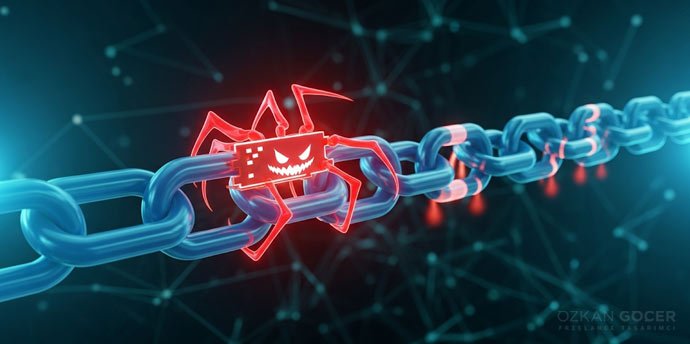
WHAT İS HACKLİNK? (EVERYTHİNG YOU NEED TO KNOW TO PROTECT YOUR SİTE)

What is Hacklink? (Everything You Need to Know to Protect Your Site)

A hacklink is a link secretly placed on a website without the owner's permission by hacking the site; it is both a security breach and an illegal black-hat SEO method. The aim of the article is to help you understand hacklinks, detect them on your site, clean them and protect against them; it contains no creation method, because unauthorized access is a crime. Below you will find what a hacklink is, its difference from a backlink, its harms, how to detect and clean it, and the right (white-hat) way.

What Is a Hacklink? (Why Is It Black-Hat and Illegal?)

A hacklink is a link secretly placed on a website without the owner's permission by hacking (taking over) the site. Its logic: malicious people break into a site with a security vulnerability without permission and place links to other sites (usually to "dark" sectors like gambling, betting or fake products).

The links are usually hidden, made invisible so the site owner does not notice (for example concealed inside the page code). The aim is to raise the Google ranking of the target site where the link is placed through an unlawful path. So a hacklink is both a security breach (the unauthorized takeover of the site) and a black-hat SEO method. A hacklink both harms the owner of the site it is placed on (you become the victim) and is illegal for the person doing it. The aim of the article is to understand, detect, clean and protect against hacklinks; it contains no creation method, because unauthorized access is a crime.

The Difference Between a Hacklink and a Normal Backlink

The distinction matters, because although the two look like a "link" on the surface, they are completely different. A backlink (a normal, natural link) is a legitimate link a website gives to another site; it is placed with the site owner's knowledge and consent (for example a blog links to a resource it finds useful). Quality and natural backlinks are a legitimate and important part of SEO.

A hacklink, on the other hand, is a link secretly placed by hacking the site, without the site owner's knowledge and permission; here there is no consent, it is placed through a crime (unauthorized access) and is usually hidden. The basic difference is clear: a backlink is permitted and legitimate, a hacklink is unauthorized and illegal. By analogy, a backlink is someone getting your permission with "may I post my ad on your board" and posting it; a hacklink is someone secretly breaking into your house at night and sticking their own ad on your wall. Google cares about this difference too: while it sees natural backlinks as value, it penalizes manipulative link schemes (including hacklinks). I covered the legitimate form of backlinks in my backlink article.

Why Is a Hacklink Done, Why Is It Harmful?

The main motivation behind a hacklink is to gain an SEO advantage through an unlawful and cheap path. The legitimate way to reach top ranks on Google (quality content, natural backlinks, time) requires effort and patience; some people, instead, try to artificially inflate the authority of their target sites by secretly placing links on many sites.

Especially "dark" sectors that cannot promote through legal ways (illegal betting, fake products, fraud sites) resort to hacklinks, because they cannot advertise through normal channels. The most unfair part is this: the link sits on the hacked innocent sites; that is, the risk and harm are carried not by the one committing the crime but by the victim site. Why is it so wrong and harmful? Because taking over someone else's site without permission is a crime, the victim site's security and reputation are harmed, and when Google detects this manipulation, both the link recipient and sometimes the victim site can be penalized. In short, a hacklink is a path that looks like a shortcut but is risky and harmful in every respect.

The Harms of Hacklinks (SEO, Security, Legal)

A hacklink causes serious harm both to the victim site owner and to the party using it. The SEO penalty comes first: Google is very advanced at detecting manipulative link schemes, and a site infected with a hacklink can experience a serious drop in ranking or complete removal from search results (deindex). The security breach is the second big harm: if your site hosts a hacklink, this means your site has been hacked, attackers have gained access and can do more harm.

In addition, you suffer reputation loss (your site becomes linked to bad sites, and Google can show a security warning to visitors), legal liability arises (placing a hacklink is a cyber crime), performance can drop, and cleaning requires serious time, effort and often expert support. You can see Google's view on manipulative links in its spam policies. As you can see, a hacklink is not an "advantage" but a trap in every respect, devastating especially for innocent site owners. So protecting your site and checking it regularly is very important.

How Do I Detect If There Is a Hacklink on My Site?

To tell whether your site has fallen victim to a hacklink, regular checking is essential. The main detection methods:

  • Google Search Console: the "Security Issues" section shows the harmful content and hack warnings Google has detected.
  • Site search: type "site:yourdomain.com" into Google and review your indexed pages; irrelevant (like betting) pages are a strong sign.
  • Sudden drop: a sudden, unexplained SEO or traffic drop can be a warning.
  • Source code: check whether there are invisible or unknown external links in your pages' code.
  • Security scanners: malware scanners (for example Sucuri) and security plugins can catch hidden links.

If you suspect it, contact your hosting provider and a security expert without losing time; early detection is the key to limiting the damage. I explained Search Console usage in my Search Console article.

How Is a Hacklink Cleaned and How Is It Prevented Again?

If you have detected a hacklink, you need both to clean it and to close the vulnerability, otherwise it gets infected again. On the cleaning side, first take a backup, then remove the hidden links and injected code in the affected files and database (this is a technical job, so get expert support if you are not sure) and delete the backdoor files the attacker left, otherwise they get back in.

On the vulnerability-closing side, change all passwords (site panel, hosting, FTP, database), bring your content management system, theme and plugins to the latest version (because attacks mostly enter through old software), remove unnecessary or insecure plugins, and add security measures (firewall, security plugin, 2FA, regular backups). After cleaning, report through Search Console that the security issue is resolved and request a re-review, and keep monitoring, because once-hacked sites can be targeted again; Google's hacked site guide summarizes the steps. In a large infection, getting help from a security expert is the safest; half cleaning leads to the problem coming back.

The Right Way: White-Hat SEO and the Legal Dimension

Do not fall for the illusion that a hacklink provides an advantage; the right, sustainable and legal way is white-hat SEO. Produce quality content, because what Google really rewards is content that adds value to the user; with valuable content, get others to give you links voluntarily (legitimate methods like guest writing, being a quality source, digital PR). A fast, mobile-friendly, secure site and patience are the foundation of legitimate SEO; I covered the whole in my increasing organic traffic article.

The legal dimension is very important: creating a hacklink requires taking over someone else's site without permission, and this is a cyber crime in Turkey (and many countries). Breaking into an information system without permission, or changing or damaging the system or data, is a crime under the Turkish Penal Code (for example articles 243 and 244) and has imprisonment or fine sanctions; you can read the relevant articles in the official legislation. So a hacklink is not just "risky SEO" but clearly an illegal act. Stay completely away from hacklinks: both protect your site so as not to become a victim, and grow your SEO with legal and ethical methods. Real and lasting success is not in shortcuts but in legitimate SEO effort.

FAQ

Frequently Asked Questions

Quick answers for readers who skipped to the end.

What is a hacklink, what does it mean?
A hacklink is a link secretly placed on a website WITHOUT THE OWNER'S PERMISSION by hacking (taking over) the site. Its logic: malicious people break into a website with a security vulnerability without permission and place links to other sites (usually sites belonging to "dark" sectors like gambling, betting, fake products, adult content). These links are usually HIDDEN; made invisible so the site owner does not notice (for example concealed inside the page code, in a way the visitor cannot see). The aim is to raise the Google ranking of the "target" site where the link is placed through an unlawful path. So a hacklink is both a SECURITY BREACH (the unauthorized takeover of the site) and a BLACK-HAT SEO method. It must be emphasized: a hacklink both harms the owner of the site it is placed on (you become the victim) and is illegal for the person doing it. This article is to help you UNDERSTAND hacklinks, DETECT them on your site, CLEAN them and PROTECT against them; it contains no hacklink creation or insertion method, because this is the crime of unauthorized access.
What is the difference between a hacklink and a normal backlink?
This distinction matters, because although the two look like a "link" on the surface, they are completely different: (1) BACKLINK (a normal or natural link) is a LEGITIMATE link a website gives to another site. It is placed with the site owner's KNOWLEDGE and CONSENT; for example a blog links to a resource it finds useful, or two sites build a mutual or agreed link. Quality, natural backlinks are a legitimate and important part of SEO (white-hat). (2) HACKLINK is a link secretly placed by hacking the site, WITHOUT the site owner's KNOWLEDGE and PERMISSION. Here there is no consent; it is placed through a crime (unauthorized access) and is usually hidden. So the basic difference: a backlink is PERMITTED and legitimate, a hacklink is UNAUTHORIZED and illegal. By analogy: a backlink is someone getting your permission with "may I post my ad on your board" and posting it; a hacklink is someone secretly breaking into your house at night and sticking their own ad on your wall. Google cares about this difference too: while it sees natural backlinks as value, it penalizes manipulative or artificial link schemes (including hacklinks). So "getting links" can be a legitimate SEO activity, but a hacklink is definitely not.
Why is a hacklink done?
The main motivation behind a hacklink is to gain an SEO advantage through an unlawful and cheap path: (1) FAST or CHEAP RANKING, the legitimate way to reach top ranks on Google (quality content, natural backlinks, time) requires effort and patience. Some people, instead, try to artificially inflate the authority of their target sites by secretly placing links on many sites. (2) "DARK" SECTORS, especially sectors that cannot advertise and do SEO through legal or legitimate ways (illegal betting or gambling, fake products, fraud sites) resort to hacklinks; because these sites cannot promote through normal channels. (3) SHIFTING THE RISK TO SOMEONE ELSE, the link sits on the hacked innocent sites; that is, the risk and harm are carried not by the one committing the crime but by the VICTIM site. So why is it so harmful and wrong? Because: taking over someone else's site without permission is a crime; the victim site's security and reputation are harmed; and when Google detects this manipulation, both the link recipient and sometimes the victim site can be penalized. In short, a hacklink is a path that looks like a "shortcut" but is extremely risky and harmful ethically, legally and from an SEO standpoint. Legitimate SEO is always safer and more sustainable.
What are the harms of hacklinks?
A hacklink causes serious harm both to the victim site owner and to the party using it: (1) SEO PENALTY, Google is very advanced at detecting manipulative link schemes. A site infected with a hacklink can be penalized by Google: a serious drop in ranking or complete removal from search results (deindex). So your site's SEO can be ruined. (2) SECURITY BREACH, if your site hosts a hacklink, this means your site has been HACKED; attackers have gained access and can do more harm (stealing data, planting malware, other attacks). (3) REPUTATION LOSS, your site becomes linked to bad or harmful sites; also Google can show visitors a "this site may not be safe" warning, which destroys your trust and traffic. (4) LEGAL LIABILITY, placing a hacklink (taking over another site without permission) is a cyber crime and has legal sanctions. (5) RESOURCES or PERFORMANCE, code secretly added to your site can lower performance. (6) CLEANING COST, cleaning the infection and recovering from a Google penalty requires time, effort and often expert support. As you can see, a hacklink is not an "advantage" but a TRAP in every respect; it produces devastating results especially for innocent site owners. So protecting your site and checking it regularly is very important.
How do I detect whether there is a hacklink on my site?
To tell whether your site has fallen victim to a hacklink, regular checking is essential; detection methods: (1) GOOGLE SEARCH CONSOLE, your most important tool. The "Security Issues" section shows the harmful content or hack warnings Google has detected on your site; you can also notice if there are irrelevant or suspicious addresses on your indexed pages. (2) SITE SEARCH ON GOOGLE, type "site:yourdomain.com" into Google and review your indexed pages; if you see irrelevant (for example betting or adult-themed) pages or titles, this is a strong sign of a hacklink or hack. (3) SUDDEN TRAFFIC or RANKING DROP, a sudden, unexplained SEO drop can be a warning. (4) SOURCE CODE or CONTENT check, check whether there are invisible or hidden links, or unknown external links, in your pages' source code (or have an expert check). (5) SECURITY SCANNING TOOLS, website security or malware scanners (for example Sucuri) and, if you use WordPress, security plugins can detect hidden links and infections. (6) UNEXPECTED FILES or CHANGES, unknown files on your server, changed content. (7) BACKLINK TOOLS, strange or many irrelevant links suddenly appearing in your site's profile give a clue from another angle. If you suspect it, contact your hosting provider and a security expert without losing time. Early detection is the key to limiting the damage.
How is a hacklink cleaned and how is reinfection prevented?
If you have detected a hacklink, you need both to clean it and to close the vulnerability (otherwise it gets infected again): CLEANING: (1) First TAKE A BACKUP, record the current state (and a clean old backup if you have one). (2) Find and remove the HIDDEN LINKS or BAD CODE, clean the hidden links and injected code in the affected files and database (this is a technical job; if you are not sure, get expert or hosting support). (3) Delete the HARMFUL FILES, clean the backdoor files the attacker left; otherwise they get back in. CLOSING THE VULNERABILITY (prevention): (4) Change ALL PASSWORDS, site admin panel, hosting, FTP, database, email. (5) UPDATE, bring your content management system (for example WordPress), theme and plugins to the latest version; because attacks mostly enter through old or vulnerable software. (6) Remove UNNECESSARY or insecure plugins and themes. (7) Add SECURITY measures, firewall (WAF), security plugin, 2FA, regular backups and tightening file permissions. (8) Report to GOOGLE, after cleaning, report through Search Console that "the security issue is resolved" and request a re-review. (9) Keep MONITORING, once-hacked sites can be targeted again; do regular scans. IMPORTANT: in a large infection or a situation you are not sure about, getting help from a security expert or a professional cleaning service is the safest. Half cleaning leads to the problem coming back.
What should you do instead of a hacklink, what is the right SEO way and the legal dimension?
Do not fall for the illusion that a hacklink provides an "advantage"; the right, sustainable and LEGAL way is WHITE-HAT SEO: (1) Produce QUALITY CONTENT, what Google really rewards is content that genuinely adds value to the user. (2) Earn NATURAL BACKLINKS, with valuable content get others to give you links VOLUNTARILY; use legitimate methods like guest writing, being a quality source, digital PR. (3) TECHNICAL SEO and user experience, a fast, mobile-friendly, secure (HTTPS) and well-structured site. (4) PATIENCE and CONSISTENCY, legitimate SEO takes time but is lasting; shortcuts like a hacklink result in penalty and ruin sooner or later. THE LEGAL DIMENSION (very important): creating a hacklink requires taking over someone else's website WITHOUT permission, and this is a CYBER CRIME in Turkey (and many countries); breaking into an information system without permission, or changing or damaging the system or data, is a crime under the Turkish Penal Code (for example articles like 243 and 244) and has imprisonment or fine sanctions. So a hacklink is not just "risky SEO" but clearly an illegal act. Summary: stay completely away from hacklinks; both protect your site so as not to become a victim, and grow your SEO with legal, ethical and sustainable methods. Real and lasting success is not in shortcuts but in legitimate SEO effort.
Summarize:
Özkan Göçer profile photo

Özkan Göçer

Growth Engineer & Digital Marketing Specialist

Özkan Göçer is a Growth Engineer and Digital Marketing Specialist with over 15 years of field experience and 200+ completed projects. He brings over 10 years of SEO/SEM experience and daily hands-on practice with Google Analytics, Search Console, Ahrefs, and SEMrush into this guide.


Scroll to top