What Are SEO and Google Ads? (Quick Definitions)
SEO (Organic Search)
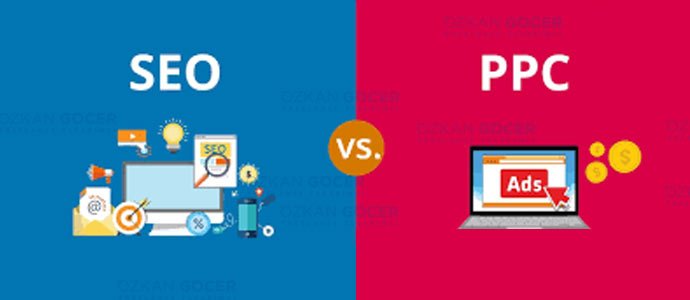
Search Engine Optimization (SEO) focuses on earning unpaid visibility in search engine results pages (SERPs). When you optimize your website, Google crawls and indexes your content based on relevance, technical health, and authority. A solid technical foundation and a high-quality backlink profile are the most reliable ways to sustain organic traffic over time. You target specific keywords that your audience searches for, aligning your content with their search intent. Success depends on satisfying search algorithms and user needs simultaneously.
Organic growth requires patience; search engines do not charge you when a user clicks your link, but the process demands consistent optimization. A successful seo and google strategy relies on long-term authority building rather than instant placement. You invest resources upfront to secure recurring traffic that pays off over months and years.
Google Ads (Paid Search)
Google Ads operates on a pay-per-click (PPC) model, allowing businesses to buy visibility at the top of search results. You bid on specific keywords to display your ads to users actively searching for your products or services. Using paid search provides immediate data on keyword conversion rates, which helps refine broader marketing decisions. You pay only when someone clicks on your ad, making budget control highly manageable. Immediate visibility is the primary benefit here.
Paid campaigns deliver instant traffic but stop the moment your daily budget runs out. Combining both channels creates a balanced search engine marketing approach. You use paid ads for immediate lead generation while building organic equity for the future. Deploying both channels ensures you capture high-intent searchers at every stage of the buying journey.
SEO vs Google Ads Comparison Table
Choosing between seo and google ads depends on your current budget, timeline, and business goals. Combining both channels typically yields the highest return, though they operate on entirely different mechanics. Google Ads delivers immediate visibility by placing paid listings at the top of search results pages. You pay per click, targeting specific keywords to capture high-intent searchers instantly. Conversely, organic search engine optimization requires a sustained investment of time to build authority and earn free traffic. Understanding the interplay between seo and google algorithms helps clarify why organic visibility takes time to develop, whereas paid campaigns launch in minutes.
Scroll sideways to read every column. Keyboard: focus the table and use the arrow keys.
| Feature | SEO (Search Engine Optimization) | Google Ads (PPC) |
|---|---|---|
| Cost Model | Upfront investment in content and tech; organic clicks are free. | Pay-per-click model; you pay Google for every visitor. |
| Time to Results | 3 to 9 months to establish authority and rank. | Instant setup; ads appear as soon as the campaign is active. |
| Traffic Longevity | Passive traffic continues even if you pause active optimization. | Traffic stops immediately when the daily budget runs out. |
| Keyword Strategy | Targets informational and transactional search terms. | Focuses heavily on high-converting commercial keywords. |
Successful marketing plans do not treat these channels as rivals. You can use insights from your paid search campaigns to inform your organic content strategy. For instance, identifying a high-converting keyword in your Google Ads account allows you to target that exact term with dedicated organic landing pages. A dual-channel approach maximizes real estate on the search results page. Relying solely on paid traffic exposes your business to rising ad costs, while relying only on organic rankings leaves you vulnerable to sudden algorithm updates. Balancing both tactics secures steady growth.
Cost and ROI Difference
Google Ads demands an active daily budget; stop paying, and your traffic drops to zero immediately. Acquisition costs climb as keyword bidding becomes more competitive. SEO requires upfront resources for content creation, technical audits, and link building, but the traffic it generates does not carry a direct per-click cost. Once a page ranks, each additional visit arrives without an incremental click charge, which pulls the long-term cost per acquisition down. You pay for the execution, not the individual visitor. Investing in SEO builds a capital-efficient asset that continues to attract prospects without ongoing ad spend.
Time dictates the return on investment for each strategy. Google Ads delivers instant visibility, making it ideal for seasonal promotions or rapid testing of new keywords. You buy your way to the top of Google instantly, but the ROI remains linear. SEO operates on a compounding scale. Organic rankings take months to establish, yet they continue to attract targeted traffic long after you complete the initial optimization work. Balancing both channels prevents dependency on a single traffic source. Paid campaigns provide immediate cash flow, while organic rankings secure your future market share without draining your daily cash reserves.
Aligning your seo and google marketing efforts allows you to dominate search engine results pages. High-cost keywords in paid campaigns can be transitioned to organic targets once your SEO authority climbs. Conversely, you can use paid ads to test conversion rates for a specific keyword before committing months of SEO effort to rank for it. Integrating both channels ensures you do not waste budget on low-converting search terms while building sustainable, long-term organic equity. A balanced approach utilizes paid search for immediate conversion data and organic search for sustainable brand growth.
Time to Results and Durability
Google Ads delivers traffic almost instantly. Setting up a campaign and bidding on target keywords puts your business at the top of the search engine results page within hours. SEO requires patience. Establishing organic visibility for competitive search terms usually takes three to nine months. Google must crawl, index, and build trust in your content before ranking it. While paid campaigns offer immediate feedback loops for testing landing pages, the traffic stops the moment you turn off the budget. Relying solely on search ads creates an expensive long-term dependency. You pay for every click, meaning your customer acquisition cost remains flat or rises over time.
Organic search equity builds over time, creating a durable marketing asset. A well-optimized page continues to attract visitors long after the initial creation cost is cleared. Content published years ago can still deliver qualified visits every month without new spend. Conversely, relying solely on paid acquisition subjects your business to rising cost-per-click rates and direct competitor bidding wars. Balancing both channels secures immediate revenue while building long-term equity. You own your organic rankings, but you only rent your ad space. Stop paying, and your visibility vanishes instantly.
Integrating seo and google advertising channels creates a resilient marketing system. Smart marketers use search data from paid campaigns to fuel their organic roadmap. Identifying a high-converting keyword in your paid accounts allows you to target that exact term with dedicated content. Executing this dual strategy ensures you capture high-intent searchers immediately while lowering your average customer acquisition cost over time. Relying on a single channel exposes your business to sudden algorithm shifts or ad platform policy changes. Diversification protects your traffic pipeline from unexpected market volatility. Analyze your search query reports weekly to find hidden search trends.
Are Google Ads Better Than SEO?
Comparing google ads and seo requires analyzing your cash flow, business stage, and customer acquisition timeline. Google ads suit a business that needs immediate leads for a new product launch or a seasonal promotion. You pay per click, bidding on specific keywords to appear at the top of google search results instantly. Once the budget stops, the traffic stops. Conversely, search engine optimization demands time to build domain authority; it establishes a compounding digital asset. Google documents that some changes appear in results within hours while others take several months to register, so a long-term seo strategy is what turns organic search into a sustainable growth channel.
Combining both channels yields the highest return on investment. You can use paid campaigns to test keyword viability and conversion rates before committing content creation resources to those terms. If a specific keyword converts well in your ads, targeting that same term through organic search optimization becomes a low-risk decision. Running search engine marketing alongside seo stabilizes acquisition costs. You capture high-intent searchers at different stages of the buying funnel, maximizing your visibility across the entire search engine results page.
Choosing one over the other depends on your immediate business goals and available resources. Startups with venture funding often prioritize google ads to prove market fit and generate revenue quickly. Bootstrapped businesses usually lean on the synergy of seo and google search algorithms to build free traffic over six to twelve months. Neither channel is objectively better than the other. Successful digital marketing relies on a balanced allocation where paid ads capture immediate demand while organic efforts lower your average customer acquisition cost over time.
When to Prioritize SEO
Prioritizing seo and google search visibility makes sense when you need to build a sustainable marketing asset without paying for every single click. Shifting focus to organic channels makes sense once customer acquisition cost on paid channels begins to erode profit margins. Google ads deliver immediate visibility, but the traffic stops the moment you turn off the budget. Building an organic strategy takes time. Yet, it establishes a compounding traffic source that reduces your dependency on paid campaigns. You should invest in seo when your business model relies on informational search queries where users seek education before purchasing.
High-intent keywords often carry high cost-per-click rates in google ads. If you target competitive terms where the bidding war makes paid acquisition unprofitable, ranking organically becomes your primary path to sustainable margins. Analyze your target keyword list to identify informational queries. Users searching for guides, comparisons, or tutorials rarely convert on their first visit; paying for these clicks often wastes budget. You can use seo to capture this early-stage traffic, nurturing prospects through content while reserving your paid budget for high-intent transactional terms. Segmenting your audience lowers your overall customer acquisition cost.
Expecting instant results from organic optimization is a mistake. Search engine algorithms require time to crawl, index, and rank your content. Establishing authority for competitive keywords takes anywhere from three to nine months. Start your seo efforts alongside active google campaigns to gather search term data. Search data reveals which search queries actually convert, allowing you to optimize your organic content for terms that generate revenue rather than just empty traffic. Running both channels simultaneously ensures you do not waste resources on low-converting terms.
When to Prioritize Google Ads
Launching a new product or entering a highly competitive market requires immediate visibility that organic search cannot deliver quickly. Waiting for organic traffic to build naturally can stall your business growth. Google Ads takes priority when a business needs to validate a new offer, test landing page conversion rates, or capture high-intent search volume immediately. SEO requires time to build domain authority and earn rankings. Paid search bypasses the waiting period by placing your brand at the very top of the search results page for specific, high-value keywords.
Directing budget to Google Ads serves as an excellent diagnostic tool for your broader SEO and Google search strategy. Running paid campaigns reveals the exact search terms that generate actual revenue, preventing you from wasting resources on a specific keyword that brings traffic but no conversions. Seasonal promotions, time-sensitive events, and flash sales also demand an aggressive paid strategy. Organic rankings cannot adapt fast enough to a short-term promotion; using targeted ads ensures your message reaches active buyers during their exact purchase window.
Relying solely on one traffic source leaves your business vulnerable to sudden algorithm updates that can wipe out organic rankings overnight. A balanced search strategy uses paid campaigns to dominate search results for highly profitable keywords while your organic content builds long-term equity. Paid traffic stops the moment your budget runs out, which is why smart marketers use the insights gained from ad campaigns to fuel their long-term organic content pipeline and lower their average customer acquisition cost.
The Best Strategy: Using SEO and Google Ads Together
Integrating seo and google ads into a unified search strategy captures maximum real estate on the search engine results page. Relying on a single channel limits your market share. Google Ads delivers immediate visibility at the top of the page, while seo builds long-term authority. Combining these two channels creates a feedback loop where paid search data informs organic content creation. You can test a high-value keyword through paid campaigns to measure conversion rates before dedicating months of effort to ranking organically for that same term. Testing keywords first saves budget and prevents wasted optimization efforts.
Analyze search query reports from your google account to identify high-converting search terms that your website does not rank for organically. Targeting these specific keywords with dedicated landing pages improves both your quality score and your organic rankings over time. High quality scores lower your cost-per-click, making your paid campaigns more efficient. At the same time, organic traffic acts as a safety net when ad budgets run dry or bidding costs spike during competitive seasons. Deploying a unified search strategy reduces the overall customer acquisition cost by balancing immediate paid wins with compounding organic growth.
Scroll sideways to read every column. Keyboard: focus the table and use the arrow keys.
| Metric / Feature | Google Ads | SEO |
|---|---|---|
| Time to Results | Immediate (hours) | Medium to long-term (months) |
| Cost Structure | Pay-per-click (direct cost) | Upfront investment (indirect cost) |
| Keyword Testing | Fast validation of conversion rates | Requires established rankings first |
| SERP Real Estate | Top of page (above organic) | Middle and bottom of page |
Running both channels simultaneously prevents competitors from bidding on your brand terms and stealing your traffic. When users see your brand in both the paid ads section and the organic listings, trust signals increase, which often leads to higher click-through rates on both placements. Use search console data to identify where you rank first organically but lack paid coverage, then fill those gaps with targeted search ads to dominate the search results.
Is SEO Dead or Evolving in 2026?
Rumors about the death of seo surface with every major search engine algorithm update. The reality is a shift in dynamics rather than an end to the channel. The relationship between seo and google now requires a deeper understanding of user intent rather than simple keyword matching. While google ads capture immediate commercial intent at the top of search results, relying solely on paid traffic creates a costly dependency. A balanced marketing strategy uses organic search to build long-term authority while running targeted ads for immediate conversions.
Modern search behavior forces a change in how we target keywords. Traditional exact-match keyword optimization has lost its effectiveness as google relies on semantic search and machine learning to understand user intent. You must optimize for topical authority and conversational queries instead of stuffing a single keyword into your meta tags. Securing organic traffic takes time, but the compounding returns outperform paid acquisition over a multi-month horizon. Brands that invest in high-quality content assets consistently earn sustainable visibility without paying for every single click.
Integrating your search channels yields the highest return on investment. You can use search query data from your google ads campaigns to identify high-converting search terms, then target those exact terms with dedicated organic content. Deploying a dual-channel approach secures double visibility on search results pages, capturing users at different stages of the buying funnel. Successful execution requires constant testing, data analysis, and patience, as organic rankings do not appear overnight. Tracking conversion rates across both channels ensures you allocate your marketing budget to the most profitable search terms.
Scroll sideways to read every column. Keyboard: focus the table and use the arrow keys.
| Metric | Organic SEO | Google Ads (Paid) |
|---|---|---|
| Cost Structure | Upfront time and content creation cost | Pay-per-click model with bidding |
| Time to Results | 3 to 6 months for initial traction | Immediate visibility upon launch |
| Traffic Longevity | Continuous traffic after ranking | Stops immediately when budget ends |
Decision Matrix: Which Is Right for You?
Choosing between organic search optimization and paid search campaigns depends on your immediate cash flow, business stage, and growth targets. Launching seo campaigns yields compounding assets that lower customer acquisition costs over quarters. Paid campaigns on google yield immediate results, but you pay for every single click. Traffic stops the moment your budget runs dry. Balancing both channels requires analyzing your current runway. Startups with immediate revenue needs must rely on paid acquisition to validate offers, while established brands build long-term market share through organic rankings.
Evaluating your resources against core operational metrics helps clarify the investment path:
Scroll sideways to read every column. Keyboard: focus the table and use the arrow keys.
| Metric | Google Ads | SEO |
|---|---|---|
| Time to Results | Immediate | 3 to 9 months |
| Cost Structure | Pay-per-click | Upfront investment |
| Traffic Stability | Stops with budget | Persists long-term |
Budget allocation dictates your channel mix. High-intent commercial search terms often carry a high cost-per-click, making long-term bidding unsustainable for low-margin products. Conversely, informational search queries rarely convert immediately, meaning paying for this traffic wastes capital. Mapping your search portfolio ensures you allocate budget to high-converting terms while building organic authority for top-of-funnel research queries.
A balanced search strategy uses both channels to dominate search engine results pages. You can use search query data from google ads to identify high-converting keywords before investing time and budget into organic optimization. Targeting a competitive keyword through seo and google search algorithms requires patience and consistent content publishing. Bidding on that same query with search ads provides immediate market feedback and validates search volume. Deploying a dual-track approach ensures you do not rely on a single channel, allowing you to capture prospects at every stage of the funnel.
How to Measure Success
Tracking performance across seo and google requires separating immediate wins from long-term equity. I split the measurement framework into two distinct velocity tracks. Google Ads delivers instant attribution data, showing you exactly which paid search terms convert within hours. Organic traffic takes time to build; it requires a focus on keyword ranking movements and non-brand search impressions. You cannot measure both channels with the same yardstick.
To evaluate your strategy, you must look at conversion value alongside acquisition costs. While paid campaigns yield immediate results, the cost per click can rise quickly depending on market competition. In contrast, seo builds compounding value over time. I use Google Search Console to monitor impression share for target keywords, while tracking conversion rates in Google Analytics to ensure the traffic actually aligns with business goals. Analyzing bounce rates and average session duration helps verify if the landing page matches user expectations.
Scroll sideways to read every column. Keyboard: focus the table and use the arrow keys.
| Metric Category | SEO (Organic) | Google Ads (Paid) |
|---|---|---|
| Primary KPI | Non-brand organic traffic growth | Cost per acquisition (CPA) |
| Feedback Loop | Slow (weeks to months) | Fast (real-time data) |
| Keyword Focus | Informational & transactional keywords | High-intent transactional keywords |
Successful integration means using insights from one channel to optimize the other. For example, a high-converting keyword from your ads campaign should immediately become a priority target for your organic content strategy. Do not rely on traffic volume alone as a sign of success. High traffic with zero conversions indicates a targeting mismatch, meaning you are ranking for the wrong search intent. Focus on revenue-generating actions to determine the true return on investment. Tracking lifetime value from organic cohorts versus paid cohorts provides the ultimate clarity on channel performance.
For performance-focused ad management, you can review my Google Ads expert service.