What Is SEO and Why Does It Matter for Business?
Search engine optimization (SEO) converts organic search intent into measurable business value. When users enter queries into Google, the search engine uses complex algorithms to rank pages based on relevance, authority, and technical performance. Optimizing your website ensures that your target audience finds your content on the first page of search results rather than losing it among competitors. Aligning technical site health with clear user intent forms the foundation of any sustainable digital marketing setup.
Paid acquisition channels demand continuous ad spend to maintain visibility; organic traffic offers compounding returns over time. A structured seo strategy builds a digital asset that captures high-intent prospects at zero acquisition cost per click. Businesses that prioritize optimization establish long-term market authority, as users inherently trust organic listings over sponsored ads. Securing these top spots is important because the top three organic results capture the majority of all search clicks. Organic positioning feeds your marketing funnel with qualified leads who are actively seeking your solutions.
Execution requires continuous technical audits, content refinement, and backlink acquisition. Success does not happen overnight. A competitive market demands months of consistent effort before significant ranking shifts occur. Treating search optimization as a core business process rather than a one-time project determines whether your website becomes a primary revenue driver or remains an expensive digital brochure. You must monitor search console data, analyze competitor gaps, and adapt to algorithm updates to maintain your visibility.
Why Is SEO Important? (With Statistics)
Organic search drives over 53% of all website traffic, making search engine optimization a foundational pillar for sustainable digital marketing. When prospects seek solutions, google processes over 8.5 billion search queries daily. Ranking on the first page of search engine results determines whether your business captures active intent or surrenders it to competitors. Paid advertising yields temporary visibility that vanishes the moment budget stops, while a structured seo strategy builds a compounding asset. Executing systematic optimization aligns your website with precise user queries, turning search engines into predictable customer acquisition channels.
Data from click-through rate (CTR) studies shows that the first organic result on Google secures an average CTR of 27.6%. Conversely, the entire second page of search results receives less than 1% of total clicks. If your website fails to rank on the first page, your business remains virtually invisible to high-intent buyers. Understanding these search patterns is why a long-term seo campaign is important for market survival. Organic traffic converts at a higher rate than social media traffic because searchers possess active buying intent. You are not interrupting their feed; you are answering their direct query.
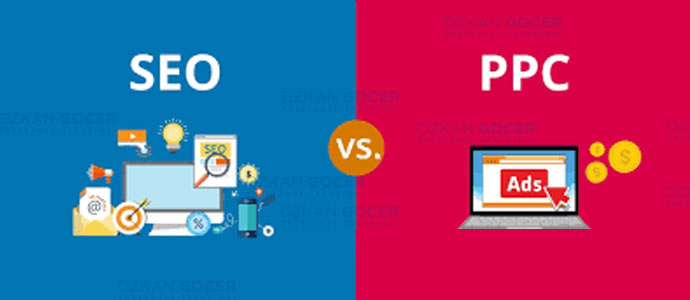
Integrating search engine optimization into your broader marketing mix establishes authority and trust. Users trust organic listings more than sponsored ads, often bypassing paid placements entirely. The table below outlines how organic search compares to paid acquisition based on standard industry performance metrics.
Scroll sideways to read every column. Keyboard: focus the table and use the arrow keys.
| Metric | Organic Search (SEO) | Paid Search (PPC) |
|---|---|---|
| Cost Structure | Fixed optimization costs, compounding value | Pay-per-click (PPC), linear cost scaling |
| Average CTR for Position 1 | ~27.6% | ~2% to 3% |
| Traffic Longevity | Long-term persistence after ranking | Stops immediately when budget ends |
| User Trust | High organic credibility | Lower trust due to sponsored labels |
10 Key Benefits of SEO for Business
Visibility and Organic Traffic
Securing a position on the first page of Google determines whether target audiences find your business or choose a competitor. Organic traffic represents the most sustainable source of web visitors. A structured seo strategy aligns your website content with user intent, pulling in users who actively search for your specific solutions.
Higher-Quality Traffic and Conversions
Users arriving via organic search results show higher intent than those clicking on disruptive banner ads. Optimization efforts target specific long-tail keywords, attracting prospects who are ready to purchase. Aligning your landing page elements with search queries shortens the sales cycle and boosts conversion rates.
Brand Awareness and Trust
Appearing at the top of search engine results pages signals authority to users. People trust the search engine to filter out irrelevant options. Earning quality backlinks is important for establishing long-term authority, turning your website into a trusted industry resource.
Competitive Advantage
Your competitors are already investing in digital marketing to capture market share. Ignoring seo means conceding valuable search real estate to rival brands. Outranking them on high-value terms directly diverts qualified prospects to your platform.
High ROI
Unlike paid advertising where traffic stops the moment you halt budget, engine optimization provides compounding value over time. The upfront investment in creating high-quality content yields long-term organic traffic without ongoing cost-per-click fees. I have observed that businesses focusing on organic growth achieve a lower customer acquisition cost over a 12-month period.
24/7 Lead Generation
An optimized website works as an automated sales representative that never sleeps. Your content answers customer questions, captures emails, and processes inquiries at midnight just as effectively as at noon. Executing a consistent seo strategy ensures your pipeline remains active regardless of office hours.
SEO vs Paid Ads (SEM): The Value of Organic
Paid acquisition through Google Ads offers immediate visibility at the top of the search engine results page. You pay for every single click, which secures instant traffic but stops the moment your budget runs dry. Companies that lean only on paid campaigns exhaust their marketing budgets without building any long-term digital equity. Search engine optimization (SEO) operates on a different financial model. Investing in a sustainable seo strategy turns your website into an asset that attracts organic traffic without a direct cost-per-click penalty. Building search authority takes time, but the compounding returns outlast any paid campaign.
Securing a top spot on the organic search results page is important for long-term brand credibility. While Google Ads acts as a tactical faucet for quick conversions, organic optimization establishes permanent market share. High-ranking search results signal authority to users who actively ignore sponsored links. Organic search consistently delivers higher conversion rates over time because users trust organic listings more than paid placements. Developing a robust SEO strategy ensures your business remains visible even when ad costs spike.
A direct comparison of both channels requires looking at customer acquisition costs over a multi-year horizon. Relying solely on paid search means your customer acquisition cost remains flat or increases as ad auction competition intensifies. Organic search engine optimization lowers acquisition costs over time as your content ranks for more keywords. The table below outlines how both marketing channels perform across key business metrics.
Scroll sideways to read every column. Keyboard: focus the table and use the arrow keys.
| Metric | Google Ads | Organic SEO |
|---|---|---|
| Cost Structure | Pay-per-click (PPC) fee for every visitor | Upfront content and optimization investment |
| Speed of Results | Immediate visibility upon campaign launch | Gradual growth over 3 to 12 months |
| Long-term Value | Traffic drops to zero when budget stops | Compounding traffic that persists over time |
Why SEO Matters for Small Businesses
Organic search drives over 53% of all website traffic. When a small business relies solely on paid advertising, rising customer acquisition costs quickly drain marketing budgets. Implementing search engine optimization (SEO) establishes a sustainable channel that captures high-intent prospects. Shifting focus to a structured seo strategy stabilizes acquisition costs over time. Ranking on the first page of Google positions your brand directly in front of users actively searching for your services. Organic positioning builds trust without the continuous ad spend required by paid channels.
For service and regional businesses, local SEO acts as the primary driver of foot traffic and direct inquiries. Google Maps and localized search results capture users with immediate purchasing intent. Optimizing your Google Business Profile, securing local citations, and targeting geo-specific keywords ensures your website appears when nearby customers search for your services. Neglecting local optimization hands market share directly to competitors. Local search algorithms prioritize proximity and relevance, meaning even a small physical storefront can outrank national chains within a specific neighborhood.
Understanding how a search engine evaluates content is important for long-term digital growth. Unlike paid campaigns that stop delivering results the moment you turn off the budget, a solid marketing strategy built on technical optimization and quality content continues to attract organic traffic over time. You build an asset that compounds in value. Success requires patience and regular updates, but the long-term return on investment justifies the initial effort. Consistent optimization turns your website into a 24-hour sales representative that answers customer questions and generates leads automatically.
Importance of SEO in Digital Marketing
Organic search drives the majority of web traffic. Relying solely on paid advertising drains acquisition budgets quickly, which is why search engine optimization is important for long-term sustainability. Organic visibility lowers the average customer acquisition cost over a twelve-month horizon. When your business ranks on the first page of Google, you capture high-intent users actively seeking solutions. Organic traffic converts at a higher rate than cold social media traffic because the user initiates the query with specific intent.
Building a functional seo strategy requires aligning technical performance with user intent. Search engines crawl your website to evaluate speed, mobile responsiveness, and content relevance. Neglecting on-page optimization tells the engine that your platform offers a poor user experience, pushing your pages down the search results. A structured approach to keyword research and technical health ensures that Google indexes your assets correctly. You cannot build a modern digital marketing campaign without a solid foundation in search mechanics.
Organic positioning yields compounding returns over time. While paid campaigns stop delivering traffic the moment you turn off the budget, optimization efforts continue to attract visitors months after implementation. The table below outlines how organic efforts compare to paid acquisition channels in a standard marketing mix.
Scroll sideways to read every column. Keyboard: focus the table and use the arrow keys.
| Metric | Organic SEO | Paid Search (PPC) |
|---|---|---|
| Cost Structure | Upfront investment with compounding value | Pay-per-click with linear costs |
| Traffic Longevity | Residual traffic continues after active work stops | Traffic stops immediately when budget ends |
| Click Share | Captures the majority of search clicks | Limited to ad placements, subject to ad blindness |
SEO in the AI Era (AI Overviews, GEO)
Google now synthesizes answers directly on the search results page, reducing traditional organic click-through rates. To keep driving traffic to your website, your seo strategy must pivot from keyword stuffing to information gain and citation optimization. Optimizing for Large Language Model (LLM) citations requires structuring data so machines can easily parse and credit your brand. Adapting to generative search means traditional search engine optimization now shares the stage with generative engine optimization. You must optimize for how AI models retrieve and synthesize information, not just how a traditional search engine indexes a page.
Brand mentions across authoritative third-party platforms determine whether AI engines recommend your business. Google pulls data from forums, reviews, and niche directories to build its knowledge graph. Digital PR and structured schema markup feed the engine clear entity relationships. A successful marketing campaign now treats digital footprint expansion as a primary ranking signal. If your brand lacks external validation, your visibility in AI-generated results will drop. You cannot rely solely on on-page optimization anymore. Real-world user reviews and citation consistency across the web now dictate your search presence.
Adapting to algorithmic changes is important for long-term survival. Traditional search is not dead, but the user journey is fragmenting. Users ask complex, conversational queries, expecting immediate answers. Your content must target long-tail, intent-driven queries that AI overviews might cite as a source. Monitor your search console data closely to identify which pages still attract direct clicks. Balancing classic optimization with AI-targeted formatting keeps your business visible in a changing digital landscape. Testing different content formats, such as Q&A sections and bulleted summaries, helps LLMs extract your data efficiently.
Disadvantages and Limitations of SEO
Most businesses expect immediate visibility from search. Search engine optimization (SEO) requires months of consistent technical and content updates before Google reflects these changes in search results. You cannot buy your way to the top of organic listings. Algorithm updates can shift your website traffic overnight, making SEO a volatile channel compared to paid advertising where spend directly correlates with visibility.
A sudden change in how the search engine processes search intent can push a high-performing page down to the second page, disrupting your lead generation pipeline instantly. Relying on a single traffic source remains risky due to this volatility.
Building a sustainable seo strategy demands significant upfront resources without immediate financial return. You must invest in content creation, technical optimization, and digital public relations to earn authority. Competitors actively optimize their platforms; your business must constantly update older content to maintain rankings. Stopping your optimization efforts leads to a slow decay in organic performance. Unlike paid search where stopping the budget halts traffic instantly, halting SEO results in a gradual, sometimes invisible, loss of market share that is difficult to rebuild. The ongoing cost of content maintenance often surprises businesses expecting a one-time setup.
Tracking the exact return on investment for organic traffic presents technical hurdles. Multi-touch attribution models often struggle to isolate the exact impact of a specific optimization task on final sales. Understanding these limits is important for balancing your overall marketing mix. You are also limited by existing search volume. If consumers do not search for your specific solution, search engine marketing cannot generate demand; it only captures existing interest. For brand-new product categories, relying solely on an seo campaign will fail to build the initial awareness your business needs to survive. Paid channels must fill the gap.
SEO ROI and Cost Realities
Search engine optimization requires upfront capital before yielding measurable financial returns. Many businesses abandon an seo strategy too early because they expect immediate traffic spikes. Organic marketing operates on a compounding scale; your initial investment funds technical audits, keyword research, and content creation that may not rank on the first page of Google for three to six months.
Budgeting for this channel means preparing for a cash-flow lag. You pay for the optimization work today to secure organic search engine real estate half a year from now. Expecting instant customer acquisition from organic search leads to misallocated budgets and aborted campaigns.
Calculating the return on investment involves comparing your customer acquisition cost against paid acquisition channels. While paid ads deliver instant visibility, stopping the ad spend kills the traffic instantly. A well-executed website optimization strategy builds a digital asset that continues to attract visitors without a direct cost-per-click fee. Tracking organic conversion rates and revenue rather than just raw traffic numbers yields the most accurate financial picture.
It is important for a business to establish baseline metrics before launching any campaign to ensure clear attribution of results. Focus on high-intent keywords that drive actual sales rather than high-volume informational terms that inflate traffic without boosting the bottom line.
Selecting the right pricing model depends on your current technical debt and growth targets. Cheap services costing a few hundred dollars monthly often rely on automated spam that can trigger Google penalties, destroying your existing search visibility. Quality marketing campaigns require skilled developers, copywriters, and strategists. Analyze the cost structures below to align your budget with realistic service deliverables. Realize that organic search is a continuous battle against competitors who are also actively optimizing their pages.
Scroll sideways to read every column. Keyboard: focus the table and use the arrow keys.
| Pricing Model | Average Cost (USD) | Best Used For |
|---|---|---|
| Monthly Retainer | $1,500 - $5,000 / month | Ongoing growth, content, and link acquisition |
| Project-Based | $3,000 - $10,000 / project | Technical audits, site migrations, initial setup |
| Hourly Consulting | $100 - $250 / hour | Strategy validation, troubleshooting, training |
How to Get Started With Business SEO
Launching a business search engine optimization (SEO) campaign requires immediate technical deployment rather than theoretical planning. Every project should start by establishing clean data pipelines. You must first register your website with Google Search Console to monitor indexing issues and submit your XML sitemap directly to the search engine. Next, install Google Analytics to track user behavior and traffic sources. Operating without both platforms leaves your marketing campaigns in total darkness.
Developing a functional seo strategy relies on identifying high-intent search terms that your target audience uses. Avoid targeting high-volume, generic words that drain your budget without converting. Instead, focus on specific search queries related to your services. You must optimize each page on your website by placing these terms in the title tags, meta descriptions, and headers. Clean URL structures and fast page loading speeds directly influence how the engine ranks your content. Organic results take time to manifest; expect three to six months of consistent optimization before seeing significant movement in rankings.
Consistent execution separates successful brands from those that fail online. Regular content updates and technical audits keep your website healthy in the eyes of Google. Maintaining a strict editorial calendar and fixing broken links weekly works far better than occasional, massive overhauls. Business growth relies on steady, predictable traffic acquisition. Prioritizing search engine visibility is important because it builds a compounding asset that reduces your reliance on paid advertising over time.
After seeing the benefits SEO brings to your business, you can assess whether your own business truly needs it through the self-assessment in my factors that show your business needs SEO article.