ETHEREUM LAYER 2 GUİDE: ARBİTRUM VS. OPTİMİSM VS. ZKSYNC

Ethereum Layer 2 Guide: Arbitrum vs. Optimism vs. zkSync

Layer 2 is a scaling solution built on top of a blockchain (Layer 1) that makes transactions faster and cheaper. Below you will find how it differs from Layer 1, why it is needed, how it works, the rollup types, example projects, what Layer 3 is, and the risks, explained simply. Coin examples are not recommendations; none of this is investment advice.

Layer 1 and Layer 2: The Basic Difference

In crypto, these terms describe the "layers" of blockchains. Layer 1 (L1) is the base and main blockchain itself; for example Bitcoin and Ethereum are Layer 1s, the actual chains where transactions are validated and security is provided. Layer 2 (L2) is the set of solutions built on top of a Layer 1 to help it run faster and cheaper.

A simple analogy: Layer 1 is like a city's main road, secure but it clogs up and gets expensive when traffic rises. Layer 2 is like overpasses that relieve the main road; they handle most transactions off the main road quickly, then record a summary back to it. So Layer 2 inherits Layer 1's security while making transactions much faster and cheaper; it is not a competitor but a complement that strengthens it. You can also find the concept on Investopedia.

Why Is Layer 2 Needed? (The Scalability Problem)

Layer 2 exists because of the scalability problem of Layer 1 blockchains (especially Ethereum). Networks like Bitcoin and Ethereum are secure and decentralized, but the number of transactions they can process per second is limited. When a network gets congested, transactions slow down and transaction fees (on Ethereum, "gas") spike; sometimes even a simple transaction becomes expensive.

Behind this is the "blockchain trilemma," a tradeoff problem: it is hard for a network to be secure, decentralized, and scalable (fast) all at once, and usually one is sacrificed. Layer 1s prioritize security and decentralization, which costs them speed. Layer 2 solutions fill this gap: they preserve the main chain's security while taking on the transaction load to boost speed and cut costs. You can examine Ethereum's scaling roadmap on its official site.

How Does Layer 2 Work?

The core idea of Layer 2 is to perform most transactions not on the main chain but in a faster environment off it, then record the result back to the main chain for security. So hundreds of transactions are processed quickly and cheaply on Layer 2, then bundled and summarized and written to Layer 1 in one batch; the main chain processes the packaged version rather than each transaction individually.

As a result, you transact fast and cheaply on Layer 2 while still drawing security from the strong Layer 1. Different technical methods enable this, the most common being the "rollup." An important point: because Layer 2 relies on the security guarantees of the main chain, it differs from launching a brand-new independent chain; it gets its strength from the Layer 1 it is attached to. The architecture aims to make crypto more practical for everyday use.

Types of Layer 2 (Rollups and More)

Layer 2 solutions come in a few types; the most prominent is the rollup. A rollup processes many transactions off the main chain, then "rolls them up" and records them to Layer 1 as a single batch. The main types are these:

  • Optimistic Rollup: assumes transactions are valid and allows a window for challenges if needed; a common, flexible approach.
  • ZK-Rollup (Zero-Knowledge): mathematically proves transaction validity using cryptographic proofs; faster finality and strong security.
  • State channels: fast off-chain transactions between two parties.
  • Sidechains: separately running networks (technically, some are not considered true Layer 2).

Each type has different speed, security, and cost tradeoffs. A beginner does not need to memorize the details; the key idea is that Layer 2s process transactions efficiently off the main chain while drawing security from Layer 1.

Layer 2 Examples (And Is XRP Layer 1 or 2?)

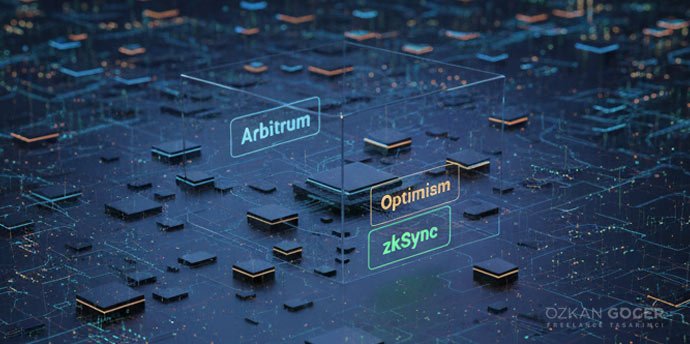
The best-known Layer 2 projects mostly focus on scaling Ethereum. Examples (not recommendations, just for illustration) often heard in this space include Arbitrum, Optimism, Polygon, zkSync, Base, and Starknet; some have their own tokens.

An important warning: I mention these names only as examples and for information, none is investment advice and none means "buy this." Layer 2 tokens, like all crypto, are highly speculative and risky and can lose all their value; a project being technically important does not mean its token price will rise. A frequently asked question: is XRP Layer 1 or Layer 2? XRP runs on its own Layer 1 blockchain, the XRP Ledger, so it is not Layer 2; being fast does not make it Layer 2, because Layer 2 specifically means a scaling layer built on top of another chain. You can track projects with live data on L2BEAT.

What Is Layer 3?

Layer 3 conceptually refers to a further layer built on top of Layer 2s. The logic stacks: Layer 1 (base chain, security), Layer 2 (scaling, speed, and low cost), Layer 3 (typically application-specific functionality and more customization). Its aim is usually to provide an extra layer for specific use cases (specialized apps, games).

Honestly, though, the Layer 3 concept is not as established or standardized as Layer 1 and Layer 2; there are differing views in the community about its definition and necessity. Some see Layer 3 as an important part of the future, while others question whether it is needed. For a beginner, the key idea is: layers are built on top of one another, each adding functionality over the one below; Layer 3 is the still-evolving top of that architecture.

Risks of Layer 2 (and 'Layer 2' in Networking)

Layer 2 solutions are useful but not risk-free. Smart contract risk: Layer 2s generally rely on complex code, and bugs or vulnerabilities in that code can be exploited. Bridge risk: the bridges used to move assets between Layer 1 and Layer 2 have suffered major attacks in the past, which is a significant weak point; I covered this in detail in my crypto bridge article. Centralization risk: some Layer 2s are not yet fully decentralized.

So when using Layer 2 (especially when bridging), it is important to be careful and prefer reputable, audited solutions; you can see the scale of bridge attacks in sources like Chainalysis. A clarification is also needed: the term "Layer 2" is used outside crypto too, in computer networking, where "Layer 2" refers to the data-link layer of the network model (OSI) and hardware like "Layer 2 switches." That is a completely different topic from Layer 2 in crypto; they just share the name. None of this is investment advice.

FAQ

Frequently Asked Questions

Quick answers for readers who skipped to the end.

What are Layer 1 and Layer 2, and how do they differ?
In crypto, these terms describe the "layers" of blockchains: (1) LAYER 1 (L1), the base or main blockchain itself. Bitcoin and Ethereum are Layer 1s; they are the actual chains where transactions are validated and security is provided. (2) LAYER 2 (L2), solutions built ON TOP of a Layer 1 to help it run faster and cheaper. A simple analogy: Layer 1 is like a city's main road, secure but it clogs up and gets expensive when traffic rises. Layer 2 is like overpasses or side roads that relieve the main road: they handle most transactions off the main road quickly, then record a summary back to the main road (Layer 1). This way, Layer 2 inherits Layer 1's security while making transactions much faster and cheaper. So Layer 2 is not a competitor to Layer 1, but a complement that strengthens it. This content is for general information only.
Why was Layer 2 needed, what is the scalability problem?
Layer 2 exists because of the SCALABILITY problem of Layer 1 blockchains (especially Ethereum). The issue: networks like Bitcoin and Ethereum are secure and decentralized, but the number of transactions they can process per second is limited. When a network gets congested (many people transacting at once), two problems appear: transactions SLOW DOWN, and transaction fees (on Ethereum, "gas" fees) SPIKE; sometimes even a simple transaction becomes expensive. This stems from what is called the "blockchain trilemma": it is hard for a network to be SECURE, DECENTRALIZED, and SCALABLE (fast) all at once; usually one is sacrificed. Layer 1s prioritize security and decentralization, which costs them speed. Layer 2 solutions fill this gap: they preserve the main chain's security while taking on the transaction load to boost speed and cut costs. In short, Layer 2 is the effort to make blockchains usable and affordable for everyone. This is general information, not investment advice.
How does Layer 2 work?
The core idea of Layer 2 is to perform most transactions NOT on the main chain (Layer 1) but in a faster environment off it, then record the result or summary back to the main chain for security. So: (1) Hundreds or thousands of transactions are processed quickly and cheaply on Layer 2. (2) These are bundled and summarized, then written to Layer 1 in one batch; the main chain processes the packaged version rather than each transaction individually. (3) The result: you transact fast and cheaply on Layer 2 while still drawing security from the strong Layer 1. Different technical methods enable this (the most common is the "rollup"). An important point: because Layer 2 relies on the security guarantees of the main chain, it differs from launching a brand-new independent chain; it gets its strength from the Layer 1 it is attached to. This architecture aims to make crypto more practical for everyday use. This is for general information.
What are the types of Layer 2, and what is a rollup?
Layer 2 solutions come in a few types; the most prominent is the ROLLUP. A rollup processes many transactions off the main chain, then "rolls them up" and records them to Layer 1 as a single batch. Two main rollup types: (1) OPTIMISTIC ROLLUP, "assumes" transactions are valid (acts optimistically) and allows a window for challenges or audits if needed; it is a common, flexible approach. (2) ZK-ROLLUP (Zero-Knowledge), mathematically PROVES transaction validity using cryptographic "proofs"; it generally offers faster finality and strong security. Beyond rollups, there are other scaling approaches like "state channels" and "sidechains" (technically, some sidechains are not considered true Layer 2). Each type has different speed, security, and cost tradeoffs. A beginner does not need to memorize the details; the key idea is: Layer 2s are solutions that process transactions efficiently off the main chain while drawing security from Layer 1, using different technical methods. This is for general information.
What are some Layer 2 examples, and is XRP Layer 1 or Layer 2?
The best-known Layer 2 projects mostly focus on scaling Ethereum. EXAMPLES (not recommendations, just for illustration) often heard in this space include Arbitrum, Optimism, Polygon (with its zkEVM or other solutions), zkSync, Base, and Starknet. Some of these have their own tokens (for governance or network use). IMPORTANT WARNING: these names are mentioned ONLY as examples and for information; none is investment advice or a "buy this." Layer 2 tokens, like all crypto, are highly speculative and risky; they can lose all their value, and a project being technically important does not mean its token price will rise (network success and token price do not always move together). This space also changes fast. As for XRP: XRP runs on the XRP LEDGER, which is its OWN Layer 1 blockchain; XRP is not a Layer 2. People sometimes ask because XRP is fast and cheap, but speed alone does not make something Layer 2; Layer 2 specifically means a scaling layer built on top of another chain. Research any project yourself and never treat a coin as a "sure thing." This is not investment advice.
What is Layer 3, how is it different from Layer 2?
Layer 3 conceptually refers to a further layer built ON TOP of Layer 2s. The logic stacks: Layer 1 (base chain, security), then Layer 2 (scaling: speed and low cost), then Layer 3 (typically application-specific functionality and more customization or scaling). Layer 3's aim is usually to provide an extra layer for specific use cases (e.g., specialized apps, games, or customized solutions), offering more scalability or app-specific features. Honestly, though: the Layer 3 concept is not as established or standardized as Layer 1 or Layer 2; there are differing views and debates in the crypto community about its definition and necessity. Some see Layer 3 as an important part of the future, while others question whether it is needed. For a beginner, the key idea is: layers are built on top of one another, each adding functionality or scalability over the one below; Layer 3 is the still-evolving top of that architecture. This is for general information.
What are the risks of Layer 2, and does "layer 2" mean something else too?
RISKS: Layer 2 solutions are useful but not risk-free: (1) SMART CONTRACT risk, Layer 2s generally rely on complex code or smart contracts; bugs or vulnerabilities in that code can be exploited. (2) BRIDGE risk, the "bridges" used to move assets between Layer 1 and Layer 2 have suffered major hacks in the past; this is a significant weak point (large sums have been stolen in bridge attacks). (3) CENTRALIZATION risk, some Layer 2s are not yet fully decentralized and may require trusting certain operators or structures. (4) General crypto risks (volatility, regulation). So when using Layer 2 (especially when bridging), it is important to be careful and prefer reputable or audited solutions. ALSO a CLARIFICATION: the term "Layer 2" is used outside crypto too, in computer NETWORKING, where "Layer 2" refers to the data-link layer of the network model (OSI model) and hardware like "Layer 2 switches." That is a COMPLETELY different topic from Layer 2 in crypto; they just share the name. This article covers Layer 2 in the crypto or blockchain sense. This is for general information, not investment advice.
Summarize:
Özkan Göçer profile photo

Özkan Göçer

Growth Engineer & Digital Marketing Specialist

Özkan Göçer is a Growth Engineer and Digital Marketing Specialist with over 15 years of field experience and 200+ completed projects. He infuses this analysis with over 7 years of expertise in blockchain, crypto markets, and Web3 marketing.


Scroll to top