Are Ripple and XRP the Same Thing?
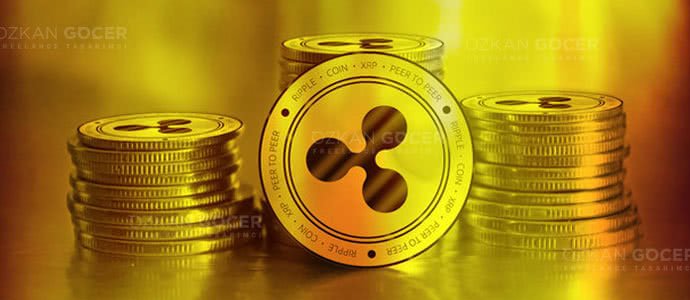
They are related but not the same, and the distinction matters: Ripple is the name of a company (and the payment technology and network it builds). XRP is the cryptocurrency that runs on the open-source XRP Ledger blockchain. So Ripple is the "company and technology," while XRP is the "coin."
In everyday speech people say "I bought Ripple," but what they actually bought is XRP. An important nuance: the XRP Ledger is a decentralized ledger that exists independently of the Ripple company; Ripple is one prominent organization using and promoting it, but it is not the sole owner of XRP. Understanding this difference helps you read news and price movements correctly; for example, news about "Ripple the company" (like the SEC lawsuit) and the XRP coin's price are related but distinct topics. You can find the concept's definition on Investopedia.
What Is XRP and What Is It For?
XRP's core purpose is to enable fast, low-cost, efficient cross-border payments and value transfers, particularly between banks and financial institutions. Traditional international transfers (for example through the SWIFT system) can take days and carry meaningful fees; XRP and the XRP Ledger are designed to settle such transfers in seconds at very low cost.
In this sense, XRP has a different intended use case than Bitcoin, which is mostly framed as a store of value ("digital gold"); XRP is built as a "bridge currency" and payments asset, so you can think of it as an intermediary layer that allows quick conversion between different currencies. Its payments focus positions XRP in the world of institutional and cross-border settlement. That said, real-world adoption is an ongoing process shaped over time by partnerships and regulation; utility is a goal, not a guarantee of price performance.
How XRP Works (XRP Ledger vs Bitcoin)
XRP runs on the XRP Ledger (XRPL), an open-source blockchain. Unlike Bitcoin, transactions are not confirmed through energy-intensive mining (proof of work); instead, the XRPL uses a different consensus mechanism in which validators agree on transactions, making transactions very fast (seconds) and extremely cheap. You can examine the technical side on the XRP Ledger's official site.
The key differences from Bitcoin: purpose (Bitcoin is a store of value, XRP is for fast payments), speed and cost (XRP is generally much faster and cheaper), supply (XRP's entire supply was created at the start, with no new XRP mined, whereas Bitcoin is mined over time and capped at 21 million), and the decentralization debate (XRP's distribution and the amount held by Ripple have been topics of debate). The differences show the two assets serve different purposes. I covered the blockchain logic in my blockchain article.
How to Buy XRP (Step by Step)
First, a common misconception: you do not buy XRP from a "bank"; cryptocurrencies are bought through exchanges. The general steps:
- Choose a regulated exchange: pick a reputable exchange that operates legally in your jurisdiction (in the US, well-known exchanges support XRP again after a period of delistings) and complete identity verification (KYC). Availability can vary by state and over time.
- Deposit funds: add money via bank transfer, debit card, and so on.
- Buy XRP: place an order for XRP on the exchange.
- Store it: keep XRP on the exchange or, for better security, withdraw it to your own crypto wallet (a hardware wallet is the most secure option).
Security essentials: use only the official exchange app or site; never share your wallet's recovery phrase (seed phrase) with anyone; and ignore anyone on social media promising "guaranteed returns" or "tips," since scams are common. Start small while you learn. It is for information only and not investment advice.
SEC v. Ripple: Where Does the Case Stand?
The lawsuit between Ripple and the U.S. Securities and Exchange Commission (SEC) was one of the most closely watched legal cases in crypto. The SEC alleged that XRP had been sold as an unregistered security. A 2023 court ruling produced a partial outcome: it found that XRP sales to the general public on exchanges did not constitute securities transactions, while certain institutional sales were treated differently. It was widely viewed as a significant win for Ripple and helped lift XRP's price.
In the period that followed, the legal process (including penalty and appeal-related matters) moved through various stages toward largely being resolved. So rather than a clean total victory, the picture is one of a "partly favorable and largely resolved" case. The status of legal proceedings can change and the details are complex; for the most accurate information, follow reputable sources such as the SEC's official site. None of this is legal or investment advice.
How Much Is $100 of XRP, and Why Does the Price Move?
There is no fixed answer to how much XRP $100 or $1000 buys, because XRP's price is set by supply and demand in markets that trade 24/7 and it changes constantly, sometimes sharply within minutes. To find out how much XRP a given dollar amount buys right now, simply divide that amount by the current XRP price.
Factors that move the price include the overall crypto market (especially Bitcoin's direction), XRP-specific news (such as legal developments or partnerships), regulation, market sentiment, and large-holder activity. The only way to know the current value is to check a live source like CoinMarketCap or an exchange. A reminder: crypto prices can rise fast and fall just as fast; you can lose part or all of what you put in. It is for information only and not investment advice.
XRP's Future and Risks
The honest answer: no one can know what XRP (or any crypto) will be worth in the future. Predictions like "XRP will hit $X by 2030" are speculation, not guarantees, and they frequently contradict each other, so be skeptical of anyone who claims certainty. Points sometimes cited in XRP's favor are a real use case in cross-border payments and institutional interest.
The risks, however, are serious: the crypto market is highly volatile and value can drop sharply; regulatory uncertainty (as the lawsuit history showed) can move the price hard; decentralization and supply-distribution debates continue; and competition and the possibility that adoption does not unfold as hoped remain. Nothing here is investment advice and no coin is being recommended. If you are interested, do your own research (DYOR), never invest money you cannot afford to lose, do not act out of fear of missing out (FOMO), and consider consulting a licensed financial advisor. Use only reputable, regulated platforms; I covered asset security in my crypto protection article.