COMPREHENSİVE 2025 ANALYSİS: WHİCH BACKLİNK TOOL REALLY WORKS?

Comprehensive 2025 Analysis: Which Backlink Tool Really Works?

Checking backlinks means examining, with tools, the links pointing to your site (or a competitor's). Below you will find what backlink analysis is, which tools (Ahrefs, Semrush, Moz, free Google Search Console), how to check, which metrics (referring domains, DR/PA, anchor, dofollow) to look at, your site versus competitors, what to do with the results, and how to trace back a link. Quality matters, not the number.

What Is Backlink Checking and Why Do It?

A backlink is a link from another website to yours. In Google's eyes, backlinks act like votes of trust; quality, relevant backlinks strengthen your site's authority and search rankings. Backlink checking (analysis) is the process of examining the backlinks a site (yours or a competitor's) has: which sites link to it, how many, the quality of those links, and which pages they point to.

Why check backlinks? To see your profile (who links to you, is your link profile healthy, are there harmful or spam links), for competitor analysis (see where competitors get their backlinks and discover similar opportunities), for quality control (assess whether incoming links are valuable or harmful), and for strategy (guide your link-building efforts). In short, checking backlinks lets you measure and improve one of SEO's most important signals (authority); below I cover how and with which tools it is done.

Backlink Checking Tools (Is a Paid Checker Worth It?)

There are both paid professional tools and free options for checking backlinks. Paid professional tools offer the most comprehensive data: Ahrefs is one of the best-known, most powerful backlink tools with a massive link database (it has a limited free backlink checker too); Semrush does comprehensive backlink analysis and competitor comparison; Moz (Link Explorer) is known for DA and PA metrics, and Majestic for Trust Flow.

Among free options, the most reliable is Google Search Console: it is the most reliable free source for your own site's backlinks, and its "Links" report shows the sites and pages linking to you most (Google's own data). Beyond it, platforms like Ahrefs, Semrush, Seobility, and Ubersuggest offer limited free checkers. Is a paid checker worth it? It depends on your needs. For occasional checks of your own site, free tools (especially Search Console) are often enough; but for in-depth analysis, accurate and complete data, competitor research, and ongoing monitoring, a paid tool pays off for serious SEO, since free tools usually show limited or outdated data. So a hobby or small site may do with free tools, while serious SEO or agency work benefits from a paid checker.

How to Check Backlinks Step by Step (Including Google)

Checking a site's backlinks generally works like this. First choose a tool: for your own site, Google Search Console (free, your most reliable data) or a backlink tool, and for competitor analysis you need a backlink tool. Type the website's address (yours or a competitor's) into the tool's search box; the tool shows total backlinks, the number of referring domains, the sites linking to it, which of your pages are linked, anchor texts, and link quality metrics. Sort the links by dofollow versus nofollow, quality, or source and review them.

To check your own site with Google Search Console, sign in, go to the "Links" section, and review "Top linking sites," "Top linked pages," and "Top linking text"; this gives Google's own data on links to your site for free. You can find the official guide in the Google Search Console help. The old "link:" search operator is no longer reliable, so use Search Console instead. Search Console only shows your own site, though; for competitors, you need a dedicated backlink tool. Regular checking (for example monthly) lets you track changes and new or lost links.

Which Metrics to Look At (DR/PA, Anchor, Dofollow)

In backlink analysis, look at quality, not just the number. The key metrics are these:

  • Referring domains: how many different sites link to you; this is usually more important than total backlink count (links from 10 different quality sites beat 100 links from one site).
  • Authority metrics: the strength of the linking site; Ahrefs' DR (Domain Rating), Moz's DA and PA, Majestic's Trust Flow (these are estimated metrics, not Google's official values).
  • Dofollow and nofollow: "dofollow" links pass SEO value, "nofollow" generally does not, though it is still useful for a natural profile.
  • Anchor text: over-optimized, keyword-stuffed anchors look spammy, so natural variety is good.
  • Relevance and harmful links: links from sites related to your topic are more valuable; low-quality spam links can hurt your profile.

To check whether a link is dofollow, backlink tools label each link; if you inspect the HTML, a nofollow link has rel="nofollow" (or sponsored, ugc) while a dofollow link does not, and browser extensions can show this as you browse. In short, quality, relevant, varied dofollow links are valuable, and the number alone is misleading. You can also see authority metrics on Moz Link Explorer.

Checking Your Own Site vs Competitors

Checking both your own site and competitors is valuable and serves different purposes. Checking your own site is for seeing your link profile's health: which sites link to you, whether your profile is growing, new or lost links, and especially whether there are harmful spam links. Google Search Console is the most reliable free source for your own site; if you find harmful links, you can disavow them with Google's "disavow" tool if necessary.

Checking competitors is perhaps the most strategic use: by seeing where competitors get backlinks, you discover opportunities you could also get (if a site linked to a competitor, it might link to you), understand their link strategy, and map the valuable link sources in your industry. It requires a backlink tool (for example Semrush), since Search Console only shows your own site. A practical approach is to regularly check your own profile to keep it healthy and periodically analyze competitors to find link opportunities; combining both gives you defense and offense.

What to Do With the Results

Checking backlinks is not just collecting data; the real value is turning it into action. Identify harmful (spam or low-quality) links and disavow them if needed, notice lost valuable links and try to recover them, extract opportunities from competitors' link sources for yourself, see which of your content earns the most links and create similar content, and plan the link types you are missing. I covered turning incoming organic traffic into sales in my conversion article.

Quality backlinks are earned, not bought. The healthiest methods are creating valuable content (original guides, research, and data people naturally want to link to), writing genuinely valuable guest posts on relevant quality sites, digital PR and relationship building, and being a cited resource. An important warning: avoid buying backlinks, bulk backlinks, spam link networks, and link injections, because these are unsustainable and risk a Google penalty (ranking drop); Google detects and penalizes manipulative link schemes. Quality, natural, relevant links are always safe and valuable, while shortcuts hurt long-term.

How Do I Trace Back a Link?

To trace back a link usually means finding and examining the source of a backlink, the page that links to a given site or page. First, use a backlink tool: enter the target URL in Ahrefs, Semrush, or a free backlink checker, and it lists the linking pages (the source URLs), along with the anchor text and the specific page being linked to, and you can click through to the source page to see the link in context. For your own site, the Google Search Console "Links" report shows linking sites, and you can drill into a linking site to see the specific URLs and your linked pages.

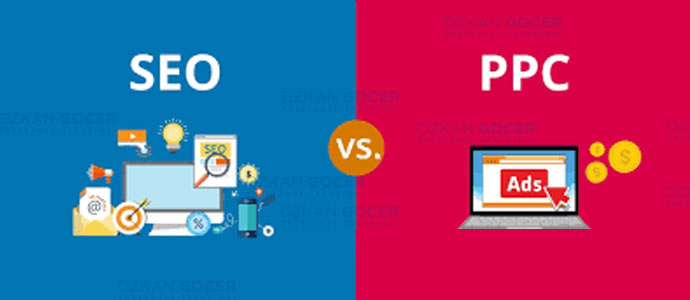
Once you find a linking page, you can open it and use your browser's "find" or "view source" to locate the link, check its anchor text, and see whether it is dofollow or nofollow (look for rel attributes in the HTML). If you want to trace where a specific referral is sending traffic, analytics tools (like Google Analytics referral reports) show which external sites send you visitors. So tracing a link combines using a backlink tool to find the source page, then inspecting that page to understand the link's details (anchor, dofollow status, context); this helps you evaluate link quality and find both opportunities and problems. The difference between organic SEO and paid ads is covered in my Google Ads article.

FAQ

Frequently Asked Questions

Quick answers for readers who skipped to the end.

What is backlink checking and why should I do it?
A BACKLINK is a link from another website to yours. In Google's eyes, backlinks act like "votes of trust"; quality, relevant backlinks strengthen your site's authority and search rankings. BACKLINK CHECKING (analysis) is the process of examining the backlinks a site (yours or a competitor's) has: which sites link to it, how many, the quality of those links, and which pages they point to. Why check backlinks? (1) SEE YOUR PROFILE, who links to you, is your link profile healthy, are there harmful or spam links? (2) COMPETITOR analysis, see where competitors get their backlinks and discover similar opportunities. (3) QUALITY control, assess whether incoming links are valuable or harmful. (4) STRATEGY, guide your link-building efforts. In short, checking backlinks lets you measure and improve one of SEO's most important signals (authority). This is for general information.
What tools check backlinks, and is a paid checker worth it?
There are both paid professional tools and free options for checking backlinks: PAID TOOLS (most comprehensive data): (1) AHREFS, one of the best-known, most powerful backlink tools with a massive link database (limited free checker too). (2) SEMRUSH, comprehensive backlink analysis and competitor comparison. (3) MOZ (Link Explorer), known for DA/PA metrics. (4) Majestic, known for Trust Flow. FREE OPTIONS: (1) GOOGLE SEARCH CONSOLE, the most reliable FREE source for YOUR OWN site's backlinks; its "Links" report shows the sites linking to you most (Google's own data). (2) Free backlink checkers (limited free tools from Ahrefs, Semrush, Seobility, Ubersuggest). IS PAID WORTH IT? It depends on your needs. For occasional checks of your own site, free tools (especially Search Console) are often enough; but for in-depth analysis, accurate and complete data, COMPETITOR research, and ongoing monitoring, a paid tool is worth it for serious SEO, since free tools usually show limited or outdated data. So a hobby or small site may do with free tools, while serious SEO or agency work benefits from a paid checker. This is for general information.
How do I check backlinks step by step, and can I use Google?
Checking a site's backlinks generally works like this: (1) CHOOSE A TOOL, for your own site, Google Search Console (free, your most reliable data) or a backlink tool (Ahrefs, Semrush); for competitor analysis, you need a backlink tool. (2) ENTER THE DOMAIN, type the website's address (yours or a competitor's) into the tool's search box. (3) REVIEW RESULTS, the tool shows total backlinks, the number of referring domains, the sites linking to it, which of your pages are linked, anchor texts, and link quality metrics. (4) FILTER, sort links by dofollow/nofollow, quality, or source. USING GOOGLE: the best way is Google SEARCH CONSOLE (free): sign in, go to the "Links" section, review "Top linking sites," "Top linked pages," and "Top linking text." This gives Google's own data on links to your site. (Note: the old "link:" search operator is no longer reliable, use Search Console instead.) Search Console only shows YOUR site, though; for competitors, you need a dedicated backlink tool. Regular checking (e.g., monthly) lets you track changes and new or lost links. This is for general information.
Which metrics should I look at, and how do I check if a backlink is dofollow?
In backlink analysis, look at QUALITY, not just the NUMBER. Key metrics: (1) REFERRING DOMAINS, how many DIFFERENT sites link to you; this is usually more important than total backlink count (links from 10 different quality sites beat 100 links from one site). (2) AUTHORITY METRICS, the strength of the linking site: Ahrefs' DR (Domain Rating), Moz's DA/PA, Majestic's Trust Flow. (Note: DA/PA and DR are these companies' ESTIMATED metrics, not Google's official values.) (3) DOFOLLOW / NOFOLLOW, "dofollow" links pass SEO value; "nofollow" generally does not (but is still useful for a natural profile). HOW TO CHECK DOFOLLOW: backlink tools label each link as dofollow/nofollow; you can also inspect the link's HTML, a nofollow link has rel="nofollow" (or sponsored, ugc) in its code, while a dofollow link does not. Browser extensions (like a NoFollow highlighter) can also show this. (4) ANCHOR TEXT, over-optimized, keyword-stuffed anchors look spammy, so natural variety is good. (5) RELEVANCE, links from sites related to your topic are more valuable. (6) HARMFUL/SPAM links. In short: quality, relevant, varied dofollow links are valuable; the number alone is misleading. This is for general information.
Should I check my own site or my competitors?
Both are valuable and serve different purposes: (1) CHECKING YOUR OWN SITE, to see your link profile's health. You check which sites link to you, whether your profile is growing, new or lost links, and especially whether there are HARMFUL spam links. Google Search Console is the most reliable free source for your own site. If you find harmful links (e.g., from spam networks), you can disavow them with Google's "disavow" tool if necessary. (2) CHECKING COMPETITORS, perhaps the most strategic use. By seeing where competitors get backlinks, you can: (a) discover opportunities you could also get (if a site linked to a competitor, it might link to you), (b) understand their link strategy, (c) map the valuable link sources in your industry. This requires a backlink tool (Ahrefs/Semrush), since Search Console only shows your own site. PRACTICAL APPROACH: regularly check your own profile to keep it healthy; periodically analyze competitors to find link opportunities. Combining both gives you defense (cleaning up harmful links) and offense (new link opportunities). This is for general information.
What should I do with the backlink check results, and how do I get quality backlinks?
Checking backlinks is not just collecting data; the real value is turning it into ACTION: (1) IDENTIFY HARMFUL links (spam/low-quality) and disavow them if needed (Google's disavow tool). (2) NOTICE LOST valuable links and try to recover them. (3) Extract OPPORTUNITIES from competitors' link sources for yourself. (4) See which of YOUR content earns the most links and create similar content. (5) Plan the link sources you are missing. ABOUT GETTING QUALITY BACKLINKS: quality backlinks are EARNED, not bought. The healthiest methods: (a) CREATE VALUABLE CONTENT people naturally want to link to (guides, research, original data); (b) GUEST POSTING, writing genuinely valuable content on relevant, quality sites; (c) DIGITAL PR and relationship building; (d) being a cited resource. IMPORTANT WARNING: AVOID buying backlinks, bulk backlinks, spam link networks, and link injections, these are unsustainable and risk a Google penalty (ranking drop). Google detects and penalizes manipulative link schemes. Quality, natural, relevant links are always safe and valuable; shortcuts hurt long-term. This is for general information.
How long does SEO take to show results, and how do I trace back a link?
SEO and backlink work are patience-requiring MEDIUM-to-LONG-term efforts; expecting fast results is not realistic. General expectation: for a new site or new content, meaningful SEO results (ranking gains, organic traffic) usually take MONTHS, often 3-6 months, more in competitive areas. Backlinks also take time to show effect; Google discovering, evaluating, and reflecting new links into authority is a process. Why so long? (1) Google discovering and evaluating your site/links takes time. (2) Authority builds over time, not overnight. (3) The more competition, the longer ranking takes. IMPORTANT: do not trust approaches promising "top in 1 week" or "instant results" (usually selling spam links). TRACING A LINK: to find a backlink's source, enter the target URL in a backlink tool; it lists the linking pages (source URLs), the anchor text, and the linked page. You can open the source page and use your browser's "view source" to inspect the link, anchor, and dofollow/nofollow status. Analytics referral reports also show which external sites send you visitors. Patience and consistency are the key to SEO. This is for general information.
Summarize:
Özkan Göçer profile photo

Özkan Göçer

Growth Engineer & Digital Marketing Specialist

Özkan Göçer is a Growth Engineer and Digital Marketing Specialist with over 15 years of field experience and 200+ completed projects. He brings over 10 years of SEO/SEM experience and daily hands-on practice with Google Analytics, Search Console, Ahrefs, and SEMrush into this guide.


Scroll to top