- |
- ·
A web developer is someone who builds websites and applications by writing code; they make a design come alive and run in the browser. They are often confused, but a web developer (code) and a web designer (visual) do different jobs. Below you will find the developer-designer difference, the frontend/backend/full stack split, what a developer does, which languages they know, how to become one, how long it takes, and the salary range.
What Is a Web Developer? (Developer vs Designer)
A web developer is someone who builds websites and web applications by writing code. They make a design or idea run in the browser: building functions like buttons being clicked, forms being submitted and data being saved with programming languages.
One point is often confused: a web developer and a web designer are not the same thing. The designer designs the site's look, colors and layout; the developer turns that design into code and runs it. I covered how web design is learned as a separate profession in my becoming a web designer article. Some people do both, but they are different skills; in short, a web developer is the internet's invisible engineer.
The Difference Between Frontend, Backend and Full Stack
Web development splits into three main roles. A frontend developer builds the part the user sees: the interface, buttons, menus and animations; the core tools are HTML, CSS, JavaScript and libraries like React. I explained the frontend side in detail in my front-end developer article.
A backend developer builds the server side the user does not see: the database, business logic, user authentication and APIs; using languages like Python, PHP, Node.js, Java or C#. A full stack developer is someone who can do both frontend and backend. For beginners, the most common entry door is frontend, because the results are visible and motivating; if you like visuals and interface, frontend fits, and if you like system and data logic, backend does.
What Does a Web Developer Do?
A web developer's daily work is not only writing code; it is first understanding the problem, planning the solution and then building. They take a design or requirement and turn it into a working product with HTML, CSS and JavaScript (and a server language for backend).
The work also includes making the site display properly on different devices (responsive), watching its speed and security, finding and fixing bugs, and updating it after launch. Developers usually work with a team and set processes (version control, code review). On the growth side, the developers who helped me most were not just coders but those who asked "what does this feature give the user".
Which Languages and Technologies Should a Web Developer Know?
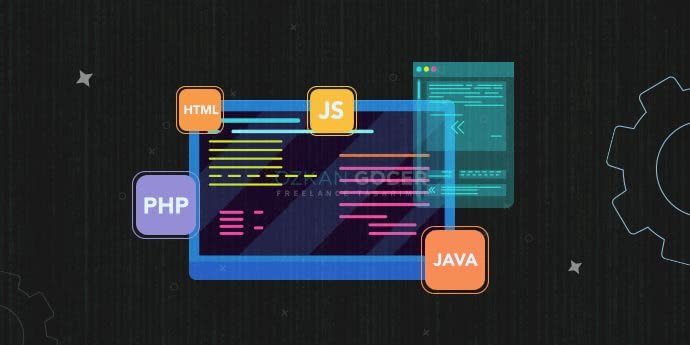
Three basics are required to start: HTML (the page's skeleton), CSS (look and layout) and JavaScript (interaction and logic). The three are every web developer's common language; the rest branches by the role you choose.
- Frontend: deepening JavaScript, a library like React/Vue/Angular, and Git.
- Backend: a server language (Python, PHP, Node.js), a database (MySQL, PostgreSQL) and API development.
- Common tools: Git/GitHub, basic command line, browser developer tools.
An important tip: do not try to learn everything at once; first solidifying the basics and going deep in one area is more valuable than knowing ten areas superficially. For an ordered path, roadmap.sh is a good compass.
How Do You Become a Web Developer? Step-by-Step Roadmap
A university degree is not required to become a web developer; this is largely a profession where skill and portfolio do the talking. You move forward by writing code rather than just watching.
1. Learn the Basics (HTML, CSS, JavaScript)
First learn the page's skeleton (HTML), its look (CSS) and its interaction (JavaScript). Free, interactive resources (freeCodeCamp, MDN Web Docs) are the soundest way to build this foundation.
2. Pick an Area and Go Deep
Decide whether you like frontend or backend and turn to that area's tools; for example React for frontend, Python or PHP for backend. Going deep in one direction makes finding a job easier.
3. Build Projects and a Portfolio
Reinforce what you learn with real projects and build a GitHub portfolio; employers look at what you can do more than at a diploma. Three to five solid projects are worth more than a long CV.
4. Job Applications and Internships
Contribute to open source, try freelance jobs and apply to junior positions and internships. Real experience is the step that speeds up learning and opens doors.
How Many Months to Become a Web Developer?
The time varies by the person, the time you give and the goal; a precise "this many months" is not realistic. You can learn to make simple pages with basic HTML and CSS in a few weeks; becoming fluent in JavaScript takes a few months more.
Reaching a job-ready (junior) level takes, with intensive and regular work, around 6-12 months on average; for those who spend few hours a week, it takes longer. What matters is not the calendar but consistency and practice: someone who writes a bit of code every day moves far faster than one who works occasionally. Learning also continues throughout the career.
Web Developer Salaries and Job Opportunities (2026)
Web developer salaries vary noticeably by experience, specialization (frontend, backend, full stack), company size and city. Junior developers start on an entry-level salary; as experience and portfolio grow, pay rises significantly at the mid and senior levels.
In this profession, remote and overseas work is common; developers working for foreign companies on a currency basis can earn above the local average. On the demand side, the Stack Overflow developer survey shows the sector data on developer skills every year. Since current exact figures change with inflation and the market, checking up-to-date data on career sites is best. The entry salary may be modest; but it is a career with a high ceiling that rises quickly with experience.
Frequently Asked Questions
Quick answers for readers who skipped to the end.
What is a web developer?
What is the difference between frontend, backend and full stack developer?
Which languages and technologies should a web developer know?
How do you become a web developer, is university required?
How many months does it take to become a web developer?
How much does a web developer earn?
What is the difference between a web developer and a web designer?