WHAT İS A WEB DESİGN EXPERT AND WHO İS CALLED? WHAT ARE THEİR DUTİES?

What is a Web Design Expert and Who is Called? What are their duties?

A web design specialist creates the visual design and user experience of websites. Below you will find what the role is, what they do, how they differ from a web developer, the skills needed, where they work, salary, and whether web design is hard to learn. The designer owns "how it looks," the developer owns "how it works"; that is the point people confuse most.

What Is a Web Design Specialist?

A web design specialist is a professional who creates the visual design and user experience of websites. They decide how a website will look and how visitors will experience it: the color palette, fonts, layout, images, menus, page flow, and overall aesthetic. The goal is to design a site that is both attractive and professional and usable (easy to navigate and understand).

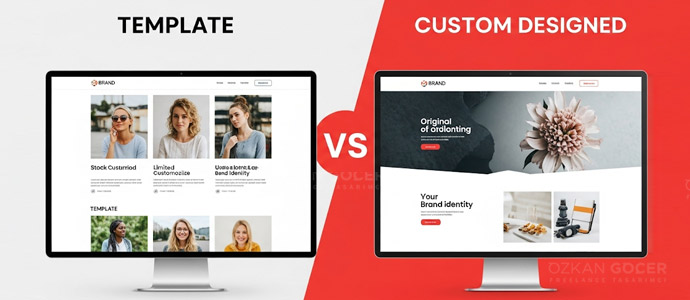
"Specialist" emphasizes that this is done at a professional level, with command of specific design knowledge and tools. A web design specialist plays a creative role, translating a brand's identity into the digital space and crafting user-friendly, modern interfaces; they essentially shape a brand's "digital face." An important note: a web design specialist designs the site's visuals and experience, while the person who turns that design into a working, coded site is usually a web developer. The two roles sometimes combine in one person, but they are fundamentally different skill sets. Usability principles from sources like the Nielsen Norman Group are useful background here.

What Does a Web Design Specialist Do?

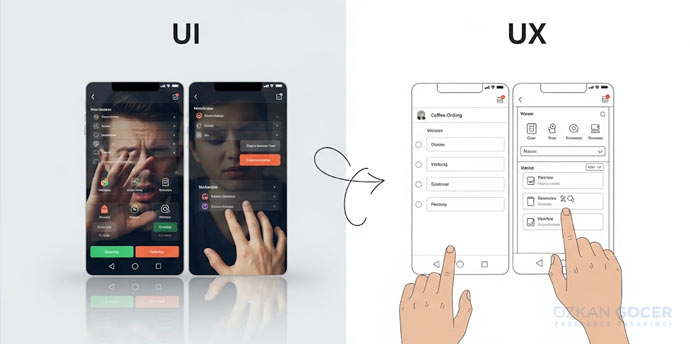
A web design specialist's main responsibilities group into a few areas. First they understand the client's or brand's needs and target audience, then plan the site accordingly. Next they do the visual design: the layout, color scheme, typography, buttons, and imagery, creating a consistent look aligned with the brand identity. On the user experience (UX/UI) side, they make the site easy to navigate, logical to use, and effective at guiding users toward goals (information, contact, sales).

They ensure the design looks good on phones, tablets, and desktops through responsive design, and prepare prototypes or mockups with tools like Figma before implementation. They work with developers, content creators, and clients, incorporate feedback, and also improve or redesign existing sites. Some web design specialists also know basic coding (HTML/CSS) and partly implement their designs. At its core, the job blends aesthetics, usability, and brand consistency into user-centered designs.

Web Designer vs Web Developer

The two roles are often confused but are different. A web designer (specialist) focuses on how the site looks and how the user experiences it: colors, fonts, layout, imagery, and user experience. They mostly use visual design tools like Figma and Adobe and do not necessarily write code. A web developer turns that design into a working, live site by writing code (HTML, CSS, JavaScript, and back-end if needed); they build the functionality, interactions, and technical infrastructure.

Roughly: the designer decides "what it should look like and how it should feel," while the developer builds "how it works." An analogy: the designer is like an architect or interior designer (look and experience), while the developer is like the engineer who constructs the project. Some people do both roles, but they are fundamentally separate skill sets; knowing what HTML and CSS can do is valuable for a designer too. When choosing a path: if visual creativity appeals to you, design fits; if logic-building and coding appeal to you, development fits.

Skills and Tools a Web Design Specialist Needs

A web design specialist's skills blend creative and technical sides:

  • Design principles: color theory, typography, alignment, balance, visual hierarchy, and use of white space.
  • UX/UI knowledge: user experience and interface design; making the site both beautiful and usable.
  • Tool mastery: Figma (the industry standard), plus Adobe XD, Photoshop, Illustrator; site builders like WordPress or Webflow are a plus.
  • Responsive thinking: adapting to different screens.
  • Brand and communication: grasping brand identity, communicating with clients, and managing feedback.

Most of these skills develop through practice and observation: studying good designs and designing a lot builds a "designer's eye." Basic web knowledge (understanding what HTML/CSS can do) keeps designs realistic and implementable. Caring about usability as much as aesthetics is what sets a strong specialist apart.

Where Do Web Design Specialists Work?

Work environments for web design specialists are varied. Digital and creative agencies with staff serving multiple clients; software and tech companies designing the interfaces of their own products; in-house teams within large brands' marketing or digital departments; and e-commerce companies designing online store interfaces are among the main ones.

The profession is very freelance-friendly too: you can work independently with your own client base, remotely, and for international clients; I explained how freelancing works in my freelancer article. Media, education, healthcare, and finance, plus virtually any sector that needs a website, hire web designers; so you can find work "anywhere there's a website," because a digital presence is essential for every industry today. The work style is flexible: on-site staff, remote, or freelance. Such versatility is a major advantage of the profession.

Web Designer Salary: Is Web Design Well Paid?

Web designer pay depends on experience, portfolio strength, work arrangement (employed or freelance), the type of company, and location, so there is no single fixed figure. The general pattern: entry-level (junior) designers start at an entry-level wage; as experience, a strong portfolio, and especially UX/UI expertise grow, pay rises significantly. Tech companies and established agencies tend to pay more.

Web design is also very freelance-friendly: by working per project or for international clients, it is possible to earn above a typical salaried wage. UX/UI design generally pays more than purely visual design and is in demand. Because current figures change with the market, it is best to check up-to-date data on sources like the U.S. Bureau of Labor Statistics. In short: pay can be modest at the start, but the upside is strong with a portfolio and specialization (especially UX/UI and freelance).

Is Web Design Hard to Learn for Beginners?

Web design is generally considered accessible for beginners, more approachable than, say, deep programming, but it does take practice. Its difficulty lies less in "logic" and more in developing a visual sense and mastering layout, which come through trial and error. Beginners often find a few things challenging: developing a "designer's eye" (knowing what looks good and why) takes time and exposure; mastering tools like Figma; learning UX/UI principles (designing for usability, not just looks); and layout plus responsive design, which can be fiddly at first.

The good news: you do not need a degree, and you can learn through free or online resources and lots of practice. How to start: learn design fundamentals (color, typography, layout, UX), master a tool (Figma), and, most importantly, design a lot while building a portfolio. Modern interfaces are faster to build once you know responsive HTML5 frameworks, and a little HTML/CSS keeps your designs realistic; you can also strengthen design fundamentals through my logo designer skills article. Like any creative skill, web design rewards practice: the more you design and get feedback, the faster you improve.

Once you understand what a web design expert does, if you want professional support, you can take a look at the web design services I offer.

FAQ

Frequently Asked Questions

Quick answers for readers who skipped to the end.

What is a web design specialist?
A web design specialist is a professional who creates the visual design and user experience of websites. They decide how a website will LOOK and how visitors will EXPERIENCE it: the color palette, fonts, layout, images, menus, page flow, and overall aesthetic. The goal is to design a site that is both attractive/professional and usable (easy to navigate and understand). "Specialist" emphasizes that this is done at a professional level, with command of specific design knowledge and tools. A web design specialist plays a creative role, translating a brand's identity into the digital space and crafting user-friendly, modern interfaces. They essentially shape a brand's "digital face." Important note: a web design specialist designs the site's visuals and experience; the person who turns that design into a working, coded site is usually a web developer. The two roles sometimes combine in one person, but they are fundamentally different skill sets.
What does a web design specialist do day to day?
A web design specialist's main responsibilities include: (1) PLANNING, understanding the client's/brand's needs and target audience, then planning the site accordingly. (2) VISUAL DESIGN, designing the layout, color scheme, typography, buttons, and imagery to create a consistent look aligned with the brand identity. (3) USER EXPERIENCE (UX/UI), making the site easy to navigate, logical to use, and effective at guiding users toward goals (information, contact, sales). (4) RESPONSIVE DESIGN, ensuring the design looks good on phones, tablets, and desktops. (5) PROTOTYPING/MOCKUPS, preparing drafts before implementation (e.g., in Figma). (6) COLLABORATION, working with developers, content creators, and clients, and incorporating feedback. (7) UPDATES, improving or redesigning existing sites. Some web design specialists also know basic coding (HTML/CSS) and partly implement their designs. At its core, the job blends aesthetics, usability, and brand consistency into user-centered designs.
What is the difference between a web designer and a web developer?
These two roles are often confused but are different: (1) WEB DESIGNER (specialist), focuses on how the site LOOKS and how the user EXPERIENCES it: colors, fonts, layout, imagery, and user experience (UX/UI). They mostly use visual design tools like Figma and Adobe and do not necessarily write code. (2) WEB DEVELOPER, turns that design into a working, live site by writing CODE (HTML, CSS, JavaScript, and back-end if needed); they build the functionality, interactions, and technical infrastructure. Roughly: the designer decides "what it should look like and how it should feel," while the developer builds "how it works." An analogy: the designer is like an architect/interior designer (look and experience), while the developer is like the engineer/builder who constructs the project. Some people do both roles, but they are fundamentally separate skill sets. When choosing a path: if visual creativity and aesthetics appeal to you, design fits; if logic-building and coding appeal to you, development fits.
What skills and tools does a web design specialist need?
A web design specialist's skills blend creative and technical sides: (1) DESIGN PRINCIPLES, color theory, typography, alignment, balance, visual hierarchy, and use of white space. (2) UX/UI knowledge, user experience (UX) and interface design (UI); making the site both beautiful and usable. (3) TOOL MASTERY, Figma (the industry standard), plus Adobe XD/Photoshop/Illustrator; knowing site builders like WordPress or Webflow is an advantage. (4) RESPONSIVE thinking, adapting to different screens. (5) BASIC WEB knowledge, understanding what HTML/CSS can do (so designs are realistic and implementable). (6) BRAND & COMMUNICATION, grasping brand identity, communicating with clients, and managing feedback. (7) STAYING CURRENT, following design trends and tools. Most of these skills develop through practice and observation: studying good designs and designing a lot builds a "designer's eye." Caring about USABILITY as much as aesthetics is what sets a strong specialist apart.
Where do web design specialists work?
Work environments for web design specialists are varied: (1) DIGITAL/CREATIVE AGENCIES, as staff serving multiple clients' web design needs. (2) SOFTWARE/TECH companies, designing the interfaces of their products and platforms. (3) IN-HOUSE TEAMS, within large brands' marketing/digital departments. (4) E-COMMERCE companies, designing online store interfaces. (5) FREELANCE, working independently with their own client base (this profession is very freelance-friendly; you can also work remotely and for international clients). (6) Media, education, healthcare, finance, and virtually any sector that needs a website. So a web design specialist can find work almost "anywhere there's a website," because a digital presence is essential for every industry today. The work style is flexible too: on-site staff, remote, or freelance. This versatility is a major advantage of the profession.
Is web design well paid, and how much do web designers make?
Web designer pay depends on experience, portfolio strength, work arrangement (employed or freelance), the type of company, and location. The general pattern: entry-level (junior) designers start at an entry-level wage; as experience, a strong portfolio, and especially UX/UI expertise grow, pay rises significantly. Tech companies and established agencies tend to pay more. Web design is also very FREELANCE-friendly: by working per project or for international clients, it is possible to earn above a typical salaried wage. UX/UI design generally pays more than purely visual design and is in demand. Whether it is "well paid" is relative; it can be a solid, well-paying career, especially with specialization (UX/UI) and experience, though entry-level pay can be modest. Because current figures change with the market, it is best to check up-to-date data on sites like Indeed, Glassdoor, or the U.S. Bureau of Labor Statistics. In short: modest at the start, but strong upside with skill and specialization.
Is web design hard to learn for beginners?
Web design is generally considered ACCESSIBLE for beginners, more approachable than, say, deep programming, but it does take practice. Its difficulty lies less in "logic" and more in developing a visual sense and mastering layout, which come through trial and error. What beginners find challenging: (1) developing a "designer's eye" (knowing what looks good and why) takes time and exposure; (2) mastering tools like Figma; (3) learning UX/UI principles (designing for usability, not just looks); (4) layout and responsive design, which can be fiddly at first. The good news: you do not need a degree, and you can learn through free/online resources and lots of practice. How to start: learn design fundamentals (color, typography, layout, UX), master a tool (Figma), and, most importantly, DESIGN a lot, building a portfolio as you go. Some basic HTML/CSS knowledge helps make your designs realistic. Like any creative skill, web design rewards practice: the more you design and get feedback, the faster you improve. It is challenging but very learnable.
Summarize:
Özkan Göçer profile photo

Özkan Göçer

Growth Engineer & Digital Marketing Specialist

Özkan Göçer is a Growth Engineer and Digital Marketing Specialist with over 15 years of field experience and 200+ completed projects. With a background in Advertising and Web Design, he authored this guide based on modern W3C standards and UI/UX principles.


Scroll to top