- |
- ·
Packaging and label design shape a product's first impression on the shelf and often the buying decision itself. Packaging is the whole of the pack that wraps a product, while the label is the surface on it that carries information and the brand; both protect, promote and sell. Below you will find the difference between the two, why they matter so much, their functions, design elements, the mandatory legal information on a product, and how they are prepared step by step.
Packaging and Label Design: Definition and the Difference
Packaging design is the structural (form, material) and graphic design of the box, bottle or pouch that wraps a product. Label design is the design of the adhesive or printed surface that usually goes on that packaging, presenting the product and giving information. So packaging is the whole of the pack, and the label is its communicating face.
An example makes it clear: on a jam jar, the jar itself is the packaging, and the paper carrying the brand and ingredient information is the label. On some products, such as a plain bottle, the label makes up almost the entire packaging design. Both are strategic design areas that reflect the brand and directly affect sales; rather than drawing a "nice box", they are where marketing meets function.
Why Is Packaging Design Important? (Shelf Impact)
Packaging plays a decisive role in a product's commercial success, because it is often the first thing a customer sees and forms an impression within seconds. Standing out among dozens of rivals on the shelf, that is, shelf impact, depends directly on the packaging.
Quality packaging gives the impression that the product is quality too, and it reflects the brand's personality. Among the small brands I advise, I have seen it many times: even with a limited ad budget, strong packaging works like a silent salesperson on the shelf or in an online image. Bad packaging can leave a good product behind, while a strong design can noticeably lift sales and brand perception; that is why packaging is not a cost but a marketing investment.
The Functions of Packaging and Labels
Good packaging and labels carry out several functions at once. The best examples balance these functions with aesthetics; a pack that is only pretty but does not protect, or only sturdy but not attractive, falls short.
- Protection: shields the product from damage, moisture and light, and extends shelf life.
- Information: carries ingredients, use, expiry date and mandatory legal information.
- Promotion: sells the brand and product visually and draws attention on the shelf.
- Ease of use: makes opening, carrying, storing and pouring easier.
- Sustainability: recyclable, eco-friendly material; an increasingly important function.
Thinking about function and visuals together is the foundation of successful packaging. My article on packaging strategies, which covers the effect of packaging on sales as a whole, shows how to build this balance in practice.
The Elements of Packaging and Label Design
Both packaging and labels come from the union of a few core elements within brand consistency. The harmony of the elements makes the pack look both attractive and trustworthy.
Form, structure and material
Form is the shape and engineering of the box or bottle; it both serves a function and creates distinction. Material (cardboard, glass, plastic, metal) is chosen for durability, cost and sustainability. On a label, material suited to the surface matters; on a product exposed to moisture or rubbing, a flimsy label wears out quickly.
Visuals, color and typography
Color reflects the brand and creates a strong psychological effect; appetizing tones in food, dark or gold tones in premium products, and green and earth tones in natural products are often preferred. Typography is the readable, brand-consistent setting of the product name and information. The logo, illustration and information hierarchy arrange what is seen first. On a label especially, readability and simplicity are decisive because of the small space.
Mandatory (Legal) Information on a Product Label
On food, cosmetics and consumer products in particular, there is mandatory information that a label must carry; it varies by legislation, so check the current rules. It usually includes the product name, the producer or importer details, ingredients, net quantity, production and expiry dates, batch number, any allergen and warning information, storage conditions and a barcode.
Legal information is both an obligation and a matter of consumer safety; missing or wrong information creates both a legal problem and a loss of trust. When designing, give the same care to placing this mandatory content correctly, readably and completely as you give to the visuals; when in doubt, confirm from the relevant sector legislation or an expert. The beauty of the design must never overshadow the legal requirements.
How to Design Packaging/Labels (Step by Step)
Both materials go through a similar process; the difference is that the structural side of packaging (form, material, production) weighs more. Throughout the process, function and aesthetics are considered together.
- Research: study the product, audience, rival packs, shelf environment and legal requirements.
- Strategy: define the message the packaging must carry and the brand positioning.
- Concept: develop different approaches with sketches and moodboards.
- Design: build the chosen concept as form and graphics in tools like Adobe Illustrator, with a cut line (dieline).
- Prototype: produce a physical mockup to see how it looks and works.
- Testing and feedback: try it on the shelf or with users.
- Production prep: print-ready files, material and technical details (cut, bleed, resolution).
Features of a Good Packaging and Label Example
Successful examples share a few qualities: they stand out on the shelf, reflect the brand consistently, clearly communicate what the product is, are functional (protect, easy to use, reasonably priced), suit the target audience and have a simple, readable hierarchy. On a label, readability in a small space and correct legal placement also stand out.
The best design balances beauty with function and marketing with manufacturability at the same time. A pack that is "pretty but cannot cover its shelf cost" or "sturdy but not attractive" falls short. To build a product's visual identity as a whole, designing the packaging, the label and other brand visuals in the same language gives the strongest result.
Tools, Examples and Sustainability
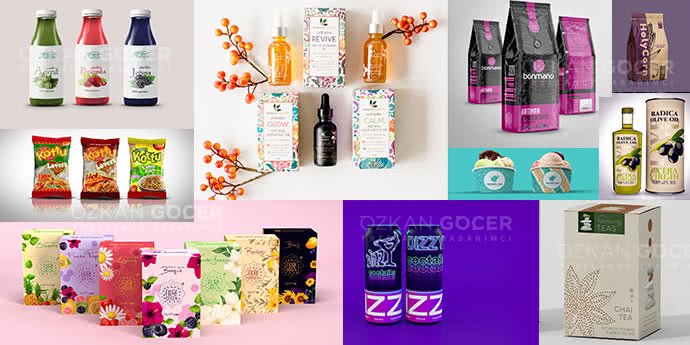
For inspiration and examples, Behance, Dribbble and the galleries of packaging design awards (such as Pentawards) are rich sources. Professional work is usually done with Illustrator and three-dimensional visualization tools; for simple needs or drafts, tools like Canva offer ready packaging and label templates.
Sustainability is no longer a preference but an expectation. Consumers value recyclable, low-plastic and eco-friendly packs; many brands adopt this as both an ethical stance and a competitive advantage. A good packaging and label design today considers visual impact and environmental responsibility together. For a serious shelf product, working with a designer and a packaging manufacturer is the soundest path, because of the cut template and print technical requirements.
Frequently Asked Questions
Quick answers for readers who skipped to the end.
What is packaging design?
What is the difference between label design and packaging design?
Why is packaging design so important?
What are the functions of packaging?
What mandatory/legal information must be on a product label?
How do you design packaging or a label (step by step)?
What are the types of label?
Which programs are used for label design, and can it be done from a phone?
What are the features of a good packaging or label design?
Is it worth investing in packaging or label design for a small brand?